Introduction: Understanding the Rise of Blockchain Technology
Over the past decade, blockchain technology has evolved from a niche concept associated mainly with cryptocurrencies into a powerful innovation reshaping multiple industries. While Bitcoin brought blockchain into the spotlight, the technology itself goes far beyond digital coins. At its core, blockchain offers a new way to record, verify, and share data securely without relying on a central authority. This unique capability has made it one of the most talked-about technological breakthroughs of the modern era.
Today, governments, businesses, and developers worldwide are exploring how blockchain technology can increase transparency, improve efficiency, and build trust in digital systems. To understand why it holds such promise, it is important to explore how it works, where it is being used, and what challenges it still faces.
What Is Blockchain Technology?
Simply put, blockchain technology is a decentralized digital ledger that records transactions across a network of computers. Instead of storing data in a single central database, blockchain distributes information across many nodes. Each transaction is grouped into a “block,” which is then linked to the previous one, forming a chronological “chain.”
What makes this system unique is its immutability. Once data is added to the blockchain and verified by the network, it becomes extremely difficult to alter or delete. This creates a transparent and tamper-resistant record that all participants can trust, even if they do not trust one another.
How Blockchain Technology Works
The process behind blockchain technology may sound complex, but the basic steps are straightforward:
-
A transaction is initiated and shared with the network.
-
Network participants, known as nodes, verify the transaction using agreed-upon rules.
-
Once verified, the transaction is added to a block.
-
The block is linked to previous blocks using cryptographic hashes.
-
The updated blockchain is distributed across the network.
This decentralized verification process removes the need for intermediaries like banks or clearinghouses, making transactions faster, more secure, and often more cost-effective.
Key Features That Make Blockchain Technology Powerful
Several defining features explain why blockchain technology has attracted so much attention:
-
Decentralization: No single entity controls the system, reducing the risk of manipulation or failure.
-
Transparency: Transactions can be viewed by authorized participants, building trust and accountability.
-
Security: Cryptography ensures that data is protected against unauthorized changes.
-
Immutability: Once recorded, information cannot easily be altered, preserving data integrity.
Together, these characteristics create a digital environment where trust is built into the system itself.
Real-World Applications of Blockchain Technology
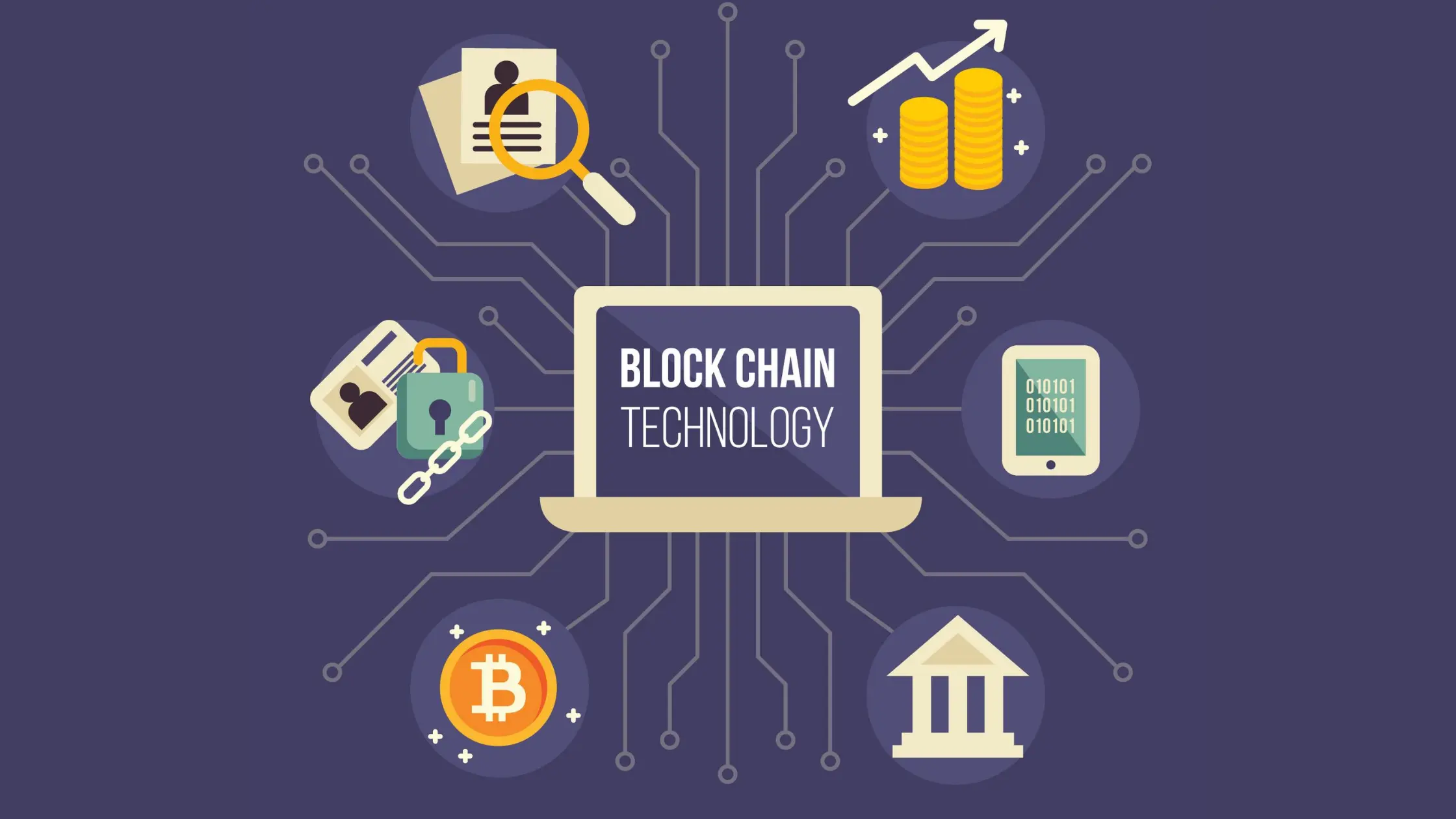
While cryptocurrencies remain the most famous use case, blockchain technology is being applied far beyond digital money.
Finance and Banking
Banks are using blockchain to streamline cross-border payments, reduce settlement times, and cut costs. Smart contracts—self-executing agreements stored on the blockchain—are automating processes that once required manual intervention.
Supply Chain Management
Companies use blockchain to track goods from production to delivery. This improves transparency, reduces fraud, and helps consumers verify the authenticity of products, especially in industries like food, pharmaceuticals, and luxury goods.
Healthcare
In healthcare, blockchain technology is helping secure patient records while allowing authorized providers to access accurate and up-to-date information. This reduces errors and improves patient care.
Voting and Governance
Blockchain-based voting systems aim to increase election transparency and reduce the risk of tampering. Governments are also exploring blockchain for land registries, identity management, and public recordkeeping.
Benefits of Adopting Blockchain Technology
The growing interest in blockchain technology is driven by several clear benefits:
-
Enhanced Trust: Participants can rely on shared data without needing to trust a central authority.
-
Greater Efficiency: Automated processes reduce delays and operational costs.
-
Improved Security: Decentralization minimizes single points of failure.
-
Global Accessibility: Blockchain systems can operate across borders with fewer barriers.
These advantages make blockchain especially appealing in environments where trust, speed, and security are critical.
Challenges and Limitations of Blockchain Technology
Despite its promise, blockchain technology is not without challenges. Scalability remains a concern, as some blockchain networks struggle to handle large numbers of transactions quickly. Energy consumption, particularly in proof-of-work systems, has raised environmental concerns.
There are also regulatory and legal uncertainties. Governments around the world are still developing frameworks to govern blockchain-based systems, which can slow adoption. Additionally, integrating blockchain with existing systems requires technical expertise and significant investment.
The Future of Blockchain Technology
Looking ahead, the future of blockchain technology appears both promising and practical. Innovations such as more energy-efficient consensus mechanisms, improved scalability solutions, and better regulatory clarity are already addressing current limitations.
As awareness grows, blockchain is likely to become less of a buzzword and more of an invisible infrastructure supporting everyday digital interactions. From securing online identities to reshaping global trade, blockchain technology is steadily moving from experimentation to real-world impact.
Conclusion: Why Blockchain Technology Matters
In a digital world where trust is increasingly fragile, blockchain technology offers a new foundation for transparency, security, and collaboration. While it is not a universal solution, its ability to decentralize trust and protect data makes it a powerful tool for the future.
As industries continue to explore and refine its use, blockchain technology is poised to play a central role in how information, value, and trust move across the global digital landscape.