Former US president Donald Trump has warned that ExxonMobil could be barred from investing in Venezuela after the company’s chief executive publicly dismissed the country as “uninvestable,” setting off a sharp exchange between the White House and one of America’s largest oil producers. The episode has since been framed by critics as Trump threatens to shut ExxonMobil out of Venezuela following the CEO’s “uninvestable” remark, underscoring rising tensions over who will profit from the country’s energy future.
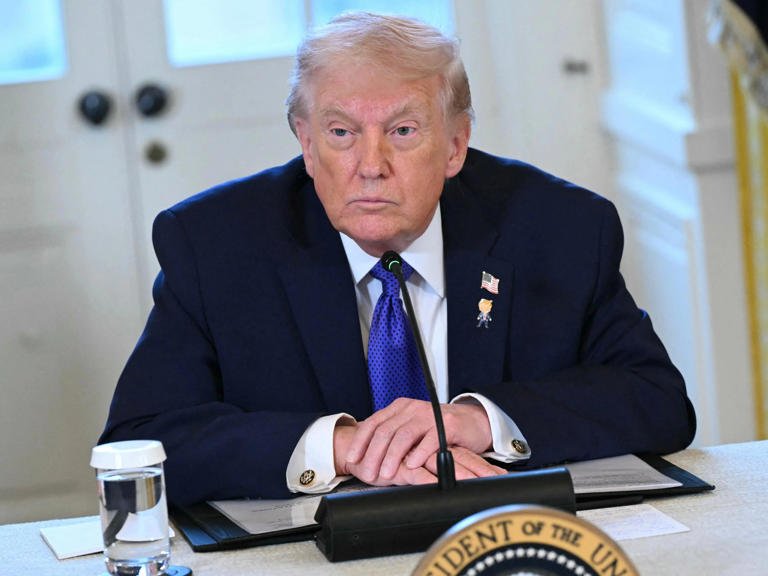
The dispute traces back to a high-profile White House meeting last week, where Trump hosted more than a dozen senior oil executives to discuss the rebuilding of Venezuela’s battered energy sector. During the discussion, ExxonMobil CEO Darren Woods made it clear that his company remained deeply sceptical about returning to the country without sweeping reforms.
According to people present, Woods told Trump that Venezuela would need to overhaul its legal and regulatory framework before it could once again attract serious long-term investment. Drawing on Exxon’s past experience, he stressed that any re-entry would require strong guarantees that assets would not be seized again.
Trump, however, had a different goal for the meeting. Just days after US forces removed Venezuelan president Nicolás Maduro from power in a surprise overnight operation, the former president urged oil companies to commit as much as $100bn to revive Venezuela’s oil industry. The administration hoped the presence of top executives would help signal confidence and momentum.
Instead, Woods’ blunt assessment quickly dominated headlines and overshadowed the White House’s message. Speaking to reporters aboard Air Force One, Trump made his displeasure clear. He said he was unhappy with ExxonMobil’s response and suggested the company could be excluded from future opportunities in Venezuela, accusing it of being overly cautious.
ExxonMobil declined to comment publicly, but its concerns are rooted in a long and contentious history. Along with ConocoPhillips and Chevron, Exxon was once a major partner of Venezuela’s state-owned oil company, PDVSA. That relationship collapsed in the mid-2000s when the government of Hugo Chávez nationalised much of the industry. While Chevron managed to strike new agreements, Exxon and ConocoPhillips exited the country and launched high-profile arbitration cases.
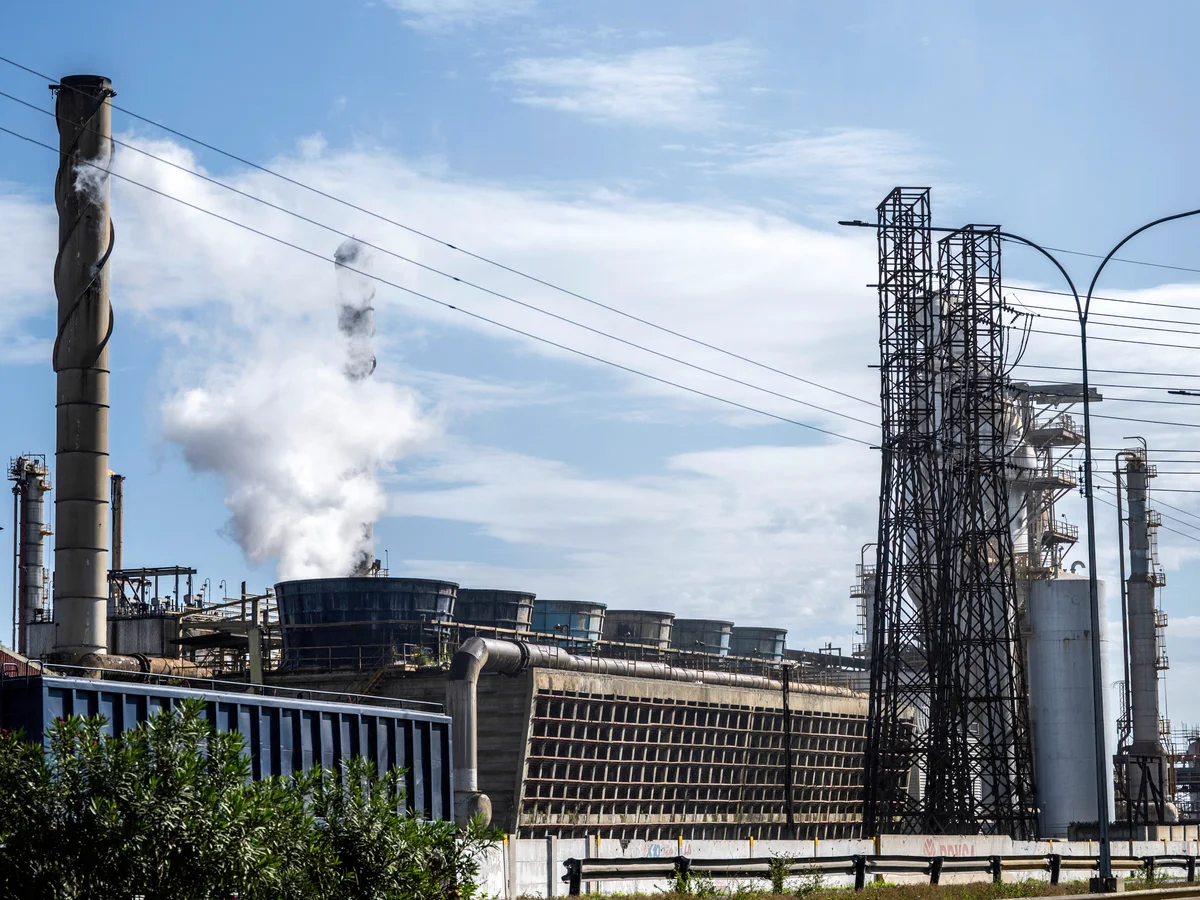
As a result, Venezuela now owes more than $13bn to Exxon and ConocoPhillips combined, based on international court rulings. Woods reminded Trump that Exxon’s assets had been seized twice in the past, arguing that returning for a third time without “durable investment protections” would be irresponsible. He also called for reforms to Venezuela’s hydrocarbons law, insisting that under current conditions the country simply does not meet Exxon’s investment standards.
ConocoPhillips’ chief executive, Ryan Lance, echoed those concerns, noting that his company is the largest non-sovereign creditor to Venezuela. He urged a comprehensive restructuring of the country’s debt and energy system, including PDVSA itself.
Trump responded by suggesting ConocoPhillips would eventually recover much of its money, but insisted that future arrangements would not be tied to past losses. He also made it clear that Washington, not Caracas, would decide which companies are allowed to operate in Venezuela going forward.
Reinforcing that stance, Trump signed an executive order over the weekend preventing courts or creditors from seizing Venezuelan oil revenues held in US Treasury accounts, signaling tighter US control over the country’s oil proceeds as the political and economic reset continues.