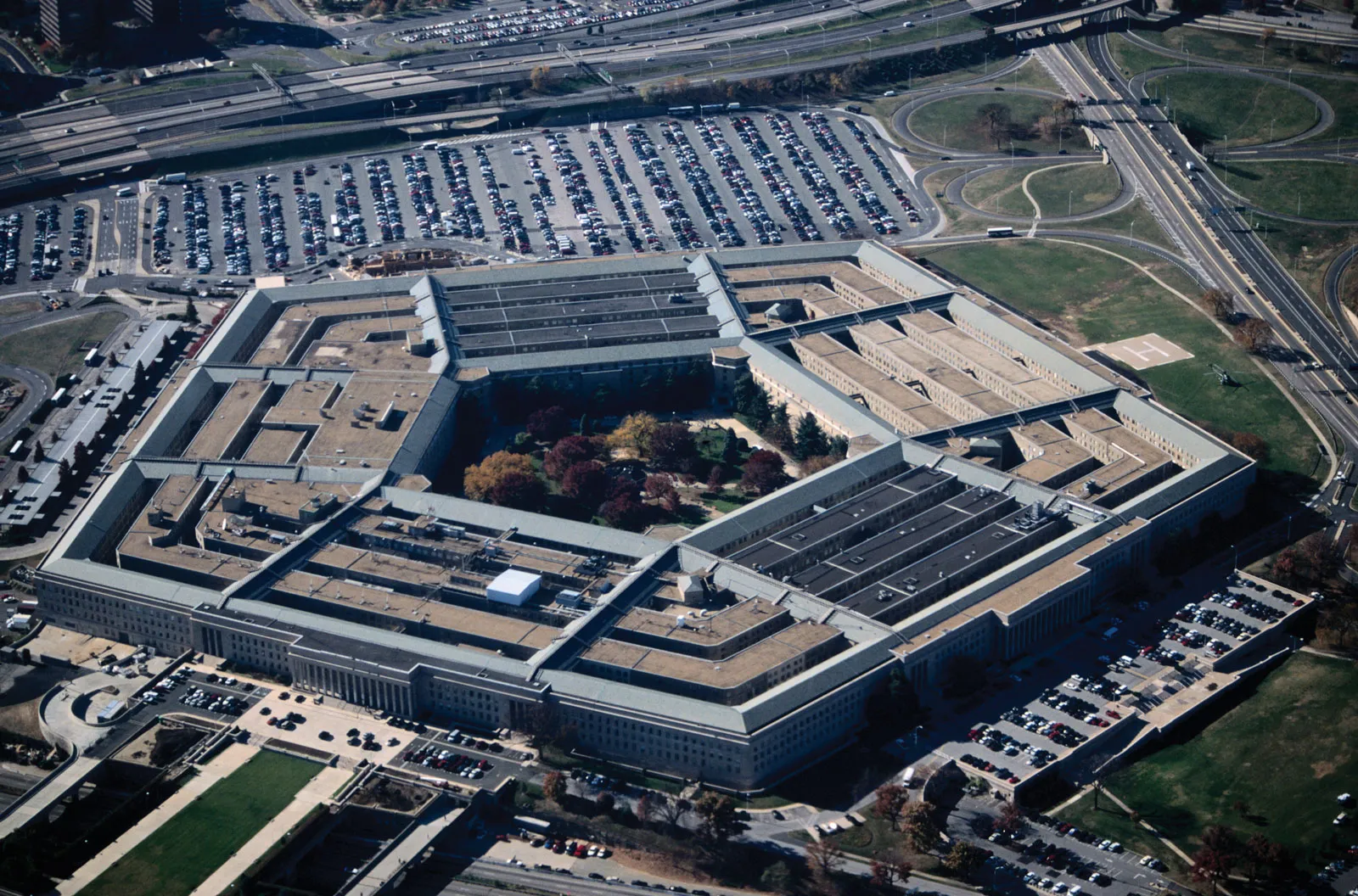
The pentagon is far more than just a massive office complex in Arlington, Virginia. It is a symbol of global military power, strategic decision-making, and American defense history. As the headquarters of the United States Department of Defense, the pentagon has shaped wars, peace treaties, and national security policies for more than eight decades. Yet beyond its imposing presence and secrecy, the building holds fascinating stories, architectural brilliance, and cultural significance that few fully understand.
What Is the Pentagon and Why It Matters
The pentagon serves as the nerve center for the U.S. military, housing leadership from the Army, Navy, Air Force, Marine Corps, Space Force, and numerous defense agencies. Officially known as The Pentagon, it functions as the operational brain behind America’s defense strategy.
What makes the pentagon unique is not just its authority, but its scale. It is one of the largest office buildings in the world, with over 6.5 million square feet of floor space—enough to employ more than 20,000 people on a daily basis.
The Bold Design Behind the Pentagon
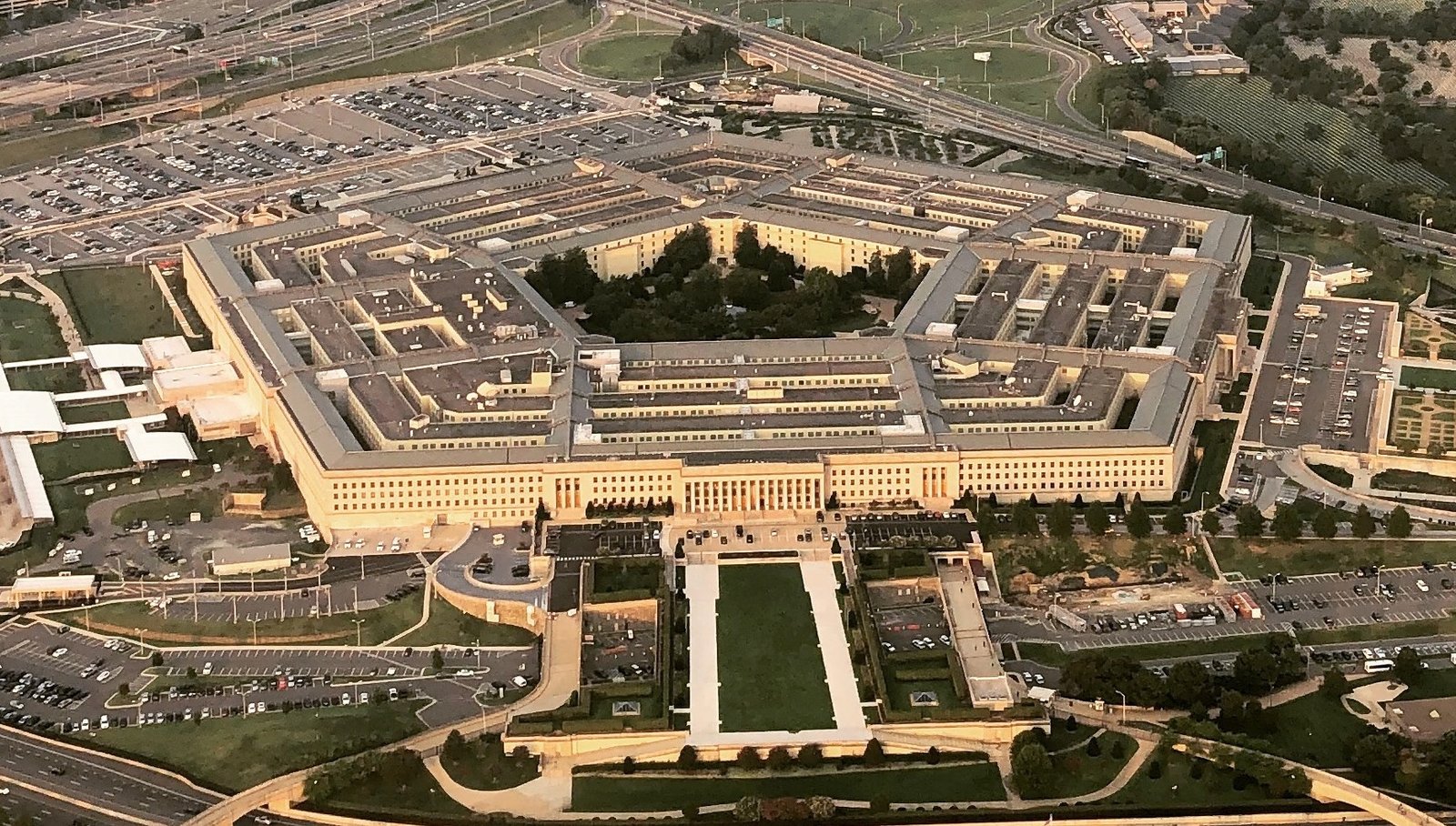
Unlike traditional skyscrapers, the pentagon was designed horizontally to allow faster movement between offices. Its five-sided shape was originally chosen due to land constraints, but it later became a defining symbol.
The building consists of five concentric rings connected by corridors. Surprisingly, despite its enormous size, it takes only about seven minutes to walk between any two points inside. This efficiency-driven design reflects the core mission of the pentagon: rapid coordination and decisive action.
Construction began in 1941 during World War II and was completed in just 16 months—an astonishing achievement given its complexity and size.
The Role of the Pentagon in Global Security
The pentagon is where major military strategies are debated, approved, and executed. From Cold War defense planning to modern cyber warfare policies, nearly every major U.S. military action has roots inside this building.
Leaders at the pentagon oversee:
-
Military operations across continents
-
Defense budgets worth hundreds of billions of dollars
-
Intelligence coordination with allies
-
Technological innovation in warfare
In today’s world, the pentagon also plays a critical role in space defense, cybersecurity, and artificial intelligence research.
The Pentagon and September 11, 2001
One of the most defining moments in the history of the pentagon occurred on September 11, 2001, when it was attacked during the terrorist strikes on the United States. The western side of the building suffered severe damage, and 125 people inside the pentagon lost their lives.
In response, the structure was rebuilt stronger than before, incorporating advanced security measures. Today, the Pentagon Memorial stands nearby, honoring the victims and serving as a solemn reminder of resilience, sacrifice, and national unity.
Life Inside the Pentagon
Despite its reputation for secrecy, daily life inside the pentagon is surprisingly structured and routine. Thousands of military personnel and civilians work standard office hours, attend meetings, and collaborate on projects much like any other large organization.
The building even has:
-
Food courts and cafés
-
Fitness centers
-
Medical facilities
-
Postal services
This self-contained ecosystem allows the pentagon to operate smoothly around the clock.
Public Tours and Hidden Facts About the Pentagon
Many people don’t realize that the pentagon is open to the public through guided tours. Visitors can explore select areas while learning about military history and the building’s unique design.
Some lesser-known facts about the pentagon:
-
It has nearly 17 miles of corridors
-
It uses fewer elevators than most buildings its size
-
It was originally built with segregation-era design considerations, later corrected
These details reveal how the pentagon reflects both the evolution of architecture and social change in America.
Why the Pentagon Remains a Global Symbol
Around the world, the pentagon is instantly recognizable as a symbol of U.S. military strength. News headlines often reference the pentagon as shorthand for American defense policy, much like “the White House” represents the presidency.
Its influence extends far beyond the United States, affecting global alliances, peacekeeping missions, and international security decisions.
The Future of the Pentagon
As warfare evolves, so does the pentagon. Today, its focus is shifting toward emerging threats such as cyberattacks, space-based conflicts, and artificial intelligence-driven defense systems. Modernization projects aim to make the pentagon more secure, sustainable, and technologically advanced for the decades ahead.
Final Thoughts
The pentagon is not just a building—it is a living institution that reflects power, responsibility, and history. From its innovative design to its role in shaping global security, the pentagon continues to stand at the center of modern defense strategy. Understanding its past and present offers valuable insight into how nations protect themselves in an increasingly complex world.