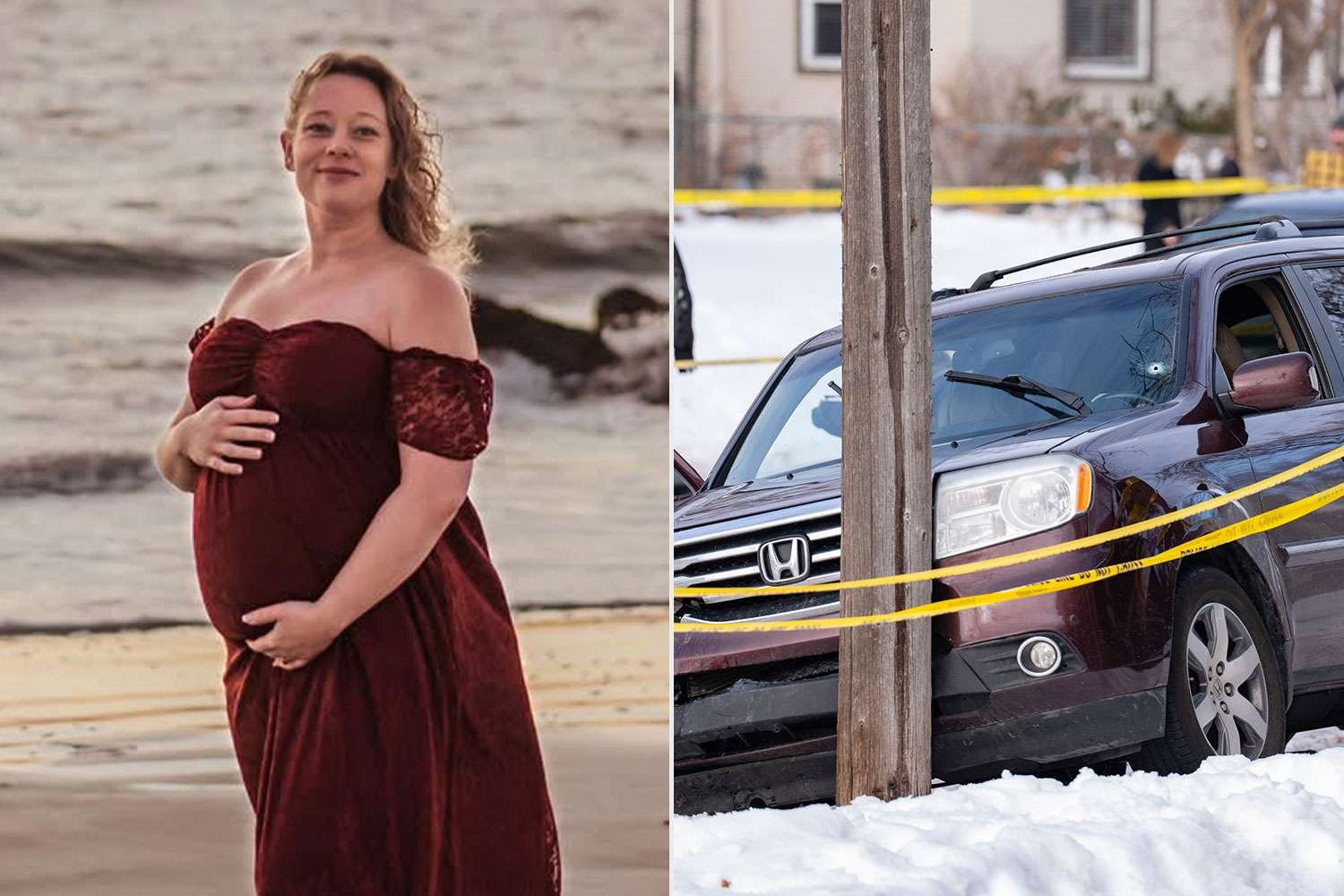
On January 7, 2026, the United States was shaken by a fatal encounter in Minneapolis, Minnesota that ignited national debate, widespread protests, and intense scrutiny of federal law enforcement practices. At the center of the controversy was Renee Nicole Good, a 37-year-old mother, poet, and community member whose life ended in a shooting by a U.S. Immigration and Customs Enforcement (ICE) agent. The circumstances of her death and the person she was have since become the focus of public anguish, political controversy, and urgent calls for accountability.
Who Was Renee Nicole Good?
Renee Nicole Good was far more than a headline; she was a U.S. citizen, wife, and devoted mother of three children — ages 15, 12, and 6 — who until recently lived in Minneapolis with her family. Born and raised in Colorado Springs, Good pursued her passion for writing and poetry, studying creative writing at Old Dominion University, where she was recognized for her talent. Friends and family described her as compassionate, warm, and creative, devoted to her children and community.
Her personal online presence reflected her artistic spirit: she described herself as a “poet and writer and wife and mom,” and shared snippets of her life, including music, art, and family moments. Despite her tragic death becoming a flashpoint in national news, friends emphasized that she was not a career activist or violent protester, but a deeply caring person who cherished human connection.
The Incident in Minneapolis
The fatal encounter occurred in a neighborhood near where Good lived, during what federal authorities described as a large ICE enforcement operation — reportedly one of the largest in recent U.S. history. ICE agents were deployed in force, conducting raids and arrests as part of a broader immigration crackdown.
According to official accounts from the Department of Homeland Security (DHS), Good’s vehicle became involved in a confrontation with federal agents. DHS claimed Good “weaponized her vehicle” and attempted to run over officers, prompting an ICE agent to fire in what the department called an act of self-defense.
However, multiple eyewitnesses and video footage that circulated online presented a significantly different narrative. Videos from various angles showed Good’s SUV in the street with multiple masked federal agents around it. Some footage, including cell phone video released by the government itself, captured Good calmly interacting with officers before she drove away. In these clips, Good’s vehicle appeared to be turning to leave rather than aggressively charging the agents, and no clear contact with officers was visible before gunfire erupted.
Conflicting Accounts and Public Outcry
Within hours of the shooting, city leaders, Good’s family, and local community members strongly challenged the federal narrative. Minneapolis Mayor Jacob Frey and officials from the city and state rejected the characterization of Good as a threat. Many pointed to the videos and eyewitness testimony as evidence that the use of deadly force was excessive and unjustified.
Good’s mother, Donna Ganger, expressed deep sorrow and disbelief. In interviews, she described her daughter as “one of the kindest people I’ve ever known,” profoundly devoted to caring for others and unlikely to pose a violent threat. She also suggested her daughter was probably terrified during the incident, underscoring the tragedy of the situation.
Repercussions Across the Nation
The shooting of Renee Nicole Good quickly became a catalyst for public protest and political debate. Demonstrations erupted in Minneapolis and other major cities, including thousands of people in New York City who marched against ICE and criticized federal immigration enforcement policies.
Supporters of Good argued that her death underscored a pattern of excessive force by federal agents and highlighted broader concerns about civil liberties, racial and socioeconomic justice, and accountability in law enforcement. Critics of ICE and DHS voiced profound discomfort with the federal response, including plans to send additional agents to Minneapolis amid the unrest.
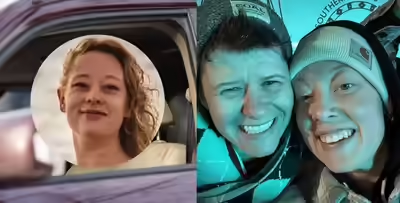
At the same time, certain national commentators and federal officials maintained that the agent’s actions were legally justified, framing the shooting as a split-second decision in a dangerous situation. Legal analysts pointed out that officers generally have broad leeway in self-defense claims, making criminal charges against the agent unlikely.
Investigation and Ongoing Debate
In the days following her death, conflicting narratives and calls for accountability continued to unfold. The FBI and other authorities launched investigations into the shooting, and civil rights advocates pressed for transparency and independent review.
For many, the story of Renee Nicole Good symbolizes the deeply fraught and unresolved issues at the intersection of law enforcement powers, civil rights, and community safety. Whether viewed through the lens of federal policy or human tragedy, her death has ignited a national conversation about how law enforcement should engage with civilians — especially during large-scale operations.
Remembering Renee Nicole Good
Despite the intense political scrutiny that followed her death, those who knew Good remember her not for the circumstances of her death, but for how she lived: as a creative soul, beloved mother, and caring friend. Vigils held in her honor emphasized her humanity — not as a statistic, but as a woman whose life mattered deeply to those around her.
Her story continues to resonate not only because of the tragic way it ended, but because it raises fundamental questions about justice, empathy, and the value of every human life in times of conflict.