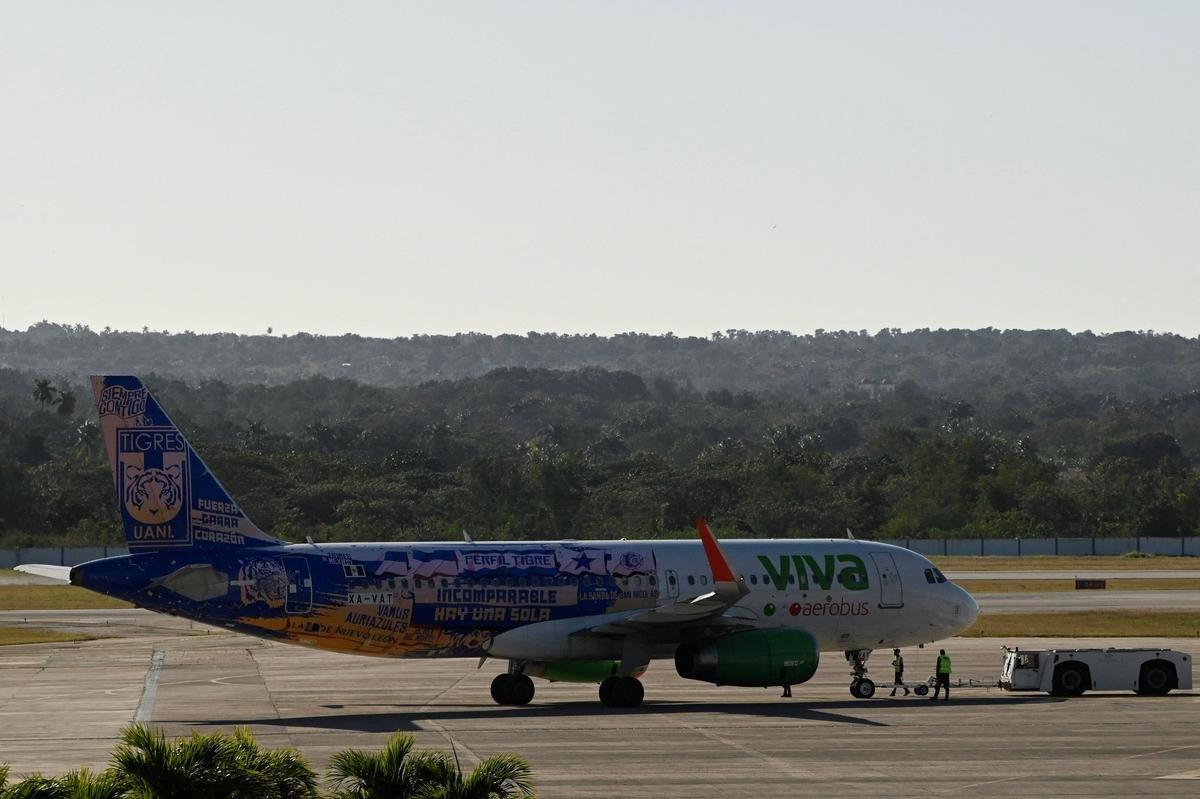
Cuba announces that airlines will no longer be able to refuel on the island as the U.S. blockade worsens the country’s energy crisis, marking another serious escalation in the nation’s ongoing struggle with fuel shortages and economic pressure.
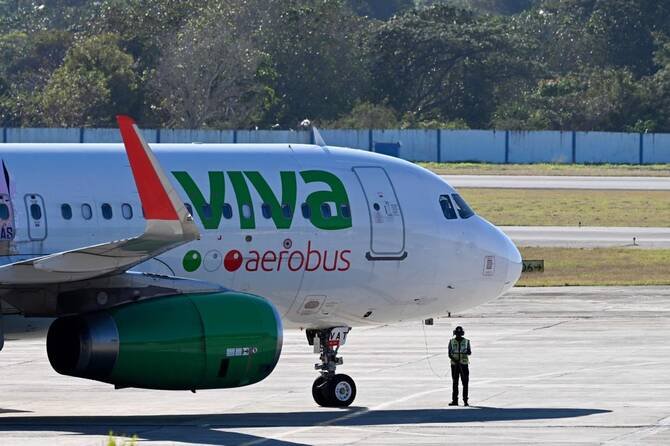
Cuban aviation authorities have formally warned airlines and pilots that jet fuel will not be available at several airports across the country. The notices, released late Sunday, state that refueling services will be suspended at nine airports — including Havana’s José Martí International Airport — beginning Tuesday and expected to last until at least March 11.
The move reflects Cuba’s broader efforts to ration energy as access to fuel supplies continues to shrink. Political pressure from U.S. President Donald Trump has sharply curtailed Cuba’s ability to import oil, particularly from long-time suppliers Venezuela and Mexico. In late January, Trump signed an executive order threatening tariffs on goods from any country that sells or transports oil to Cuba, further tightening the squeeze on an already fragile energy system.
While short-haul regional flights may be able to operate with minimal disruption, the refueling ban poses major challenges for long-distance routes from countries such as Russia and Canada — routes that are vital to Cuba’s tourism sector. Tourism has long been one of the island’s most important sources of foreign income.
Air Canada announced on Monday that it would suspend flights to Cuba, while other carriers confirmed delays or technical stops in the Dominican Republic before continuing on to Havana. Some pilots noted that although fuel shortages are not new in Cuba, a nationwide and publicly announced suspension of this scale is rare. The last comparable situation occurred more than a decade ago, when aircraft traveling to Europe were forced to refuel in Nassau, Bahamas. Today, airlines may divert to Cancun or Dominican airports, or carry additional fuel to avoid disruptions.
Cuban officials have not clarified how long the refueling restrictions will remain in place, and no formal public statement has been issued beyond the aviation notices.
The aviation setback compounds a growing list of hardships facing the country. Cuba’s tourism industry, which once generated roughly $3 billion annually, has already been weakened by economic decline and reduced travel. Now, fuel shortages threaten to further undermine the sector.
Beyond aviation, the government has rolled out sweeping austerity measures. Bank operating hours have been reduced, cultural events suspended, and public transportation in Havana has nearly collapsed. Residents report being stranded as buses stop running, power outages stretch for hours, and fuel lines grow longer by the day.
Major national events have also been affected. The Havana International Book Fair has been suspended, and the national baseball season has been restructured to cut costs. Fuel distributors announced they will no longer sell gasoline in Cuban pesos, switching instead to U.S. dollars and limiting purchases to 20 liters (5.28 gallons) per person. Earlier measures included cuts to bus services and reduced train schedules.
Last week, President Miguel Díaz-Canel addressed the nation in a two-hour televised speech, acknowledging the severity of the situation and warning that additional emergency measures were imminent.
Although U.S. sanctions on Cuba have existed for more than 60 years, many Cubans say current conditions feel especially dire. Following intensified U.S. actions in the region and the collapse of key oil supply lines, daily life on the island has become increasingly difficult. Power outages lasting up to 10 hours, limited access to food and medicine, and chronic fuel shortages have drawn comparisons to the “Special Period” of the 1990s, when Cuba faced economic devastation after the fall of the Soviet Union.
As the fuel crisis deepens, uncertainty continues to loom over Cuba’s transportation, economy, and the daily lives of its people.