Artificial intelligence is no longer a futuristic concept discussed in innovation labs. It’s now embedded in apps, workflows, customer service platforms, and executive strategy decks. Across industries, leaders are investing heavily in AI-powered agents — intelligent systems capable of assisting customers, supporting employees, and automating complex tasks.
At the heart of this transformation is a crucial question: How CEOs introducing AI agents into the workplace are getting customers and employees ready for the shift without sparking fear, resistance, or confusion.
The answer lies in thoughtful communication, careful rollout strategies, and a clear focus on value — not just efficiency.
AI Agents Become the New Front Door for Customers
Walmart has embraced this shift aggressively.


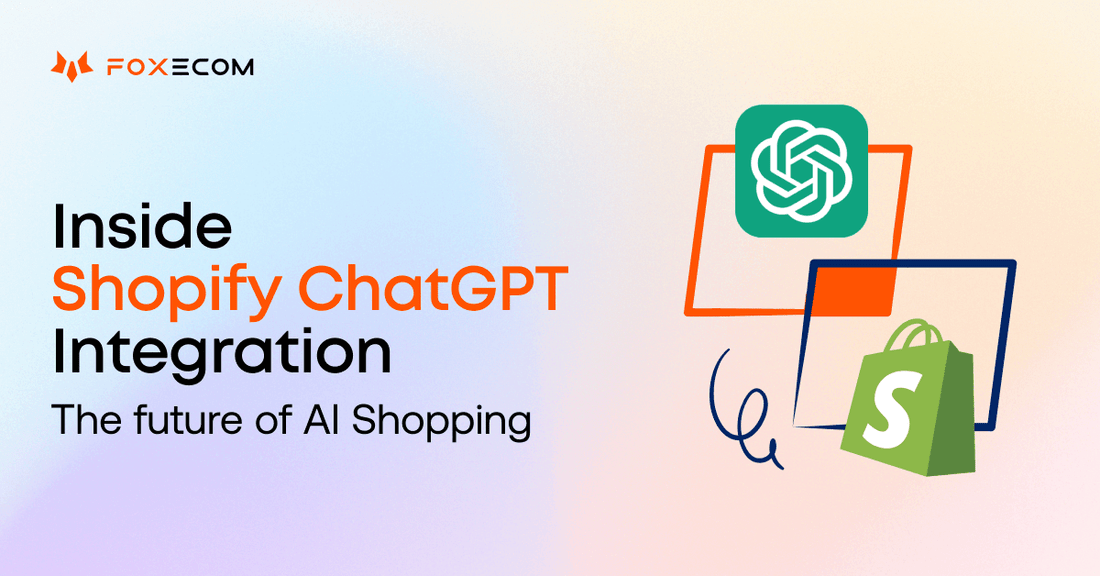
In October, the retail giant announced a collaboration with OpenAI that enables shoppers to search for and purchase products directly within ChatGPT — without ever leaving the conversation interface. Inside Walmart’s own app, AI agents now assist customers by answering questions and recommending products in real time.
CEO Doug McMillon later emphasized during an earnings call that agentic AI is expected to become a powerful engine for e-commerce growth. The goal isn’t just automation — it’s convenience. According to leadership, the technology is designed to help customers save time and even enjoy the shopping experience more.
The strategy expanded further when Walmart revealed plans to integrate Google’s Gemini assistant, making product discovery even more seamless across Walmart and Sam’s Club.
For customers, the message is simple: AI is here to remove friction, not replace the human experience.
AI Agents Inside the Organization
While AI agents are transforming customer interactions, their internal impact may be even greater.
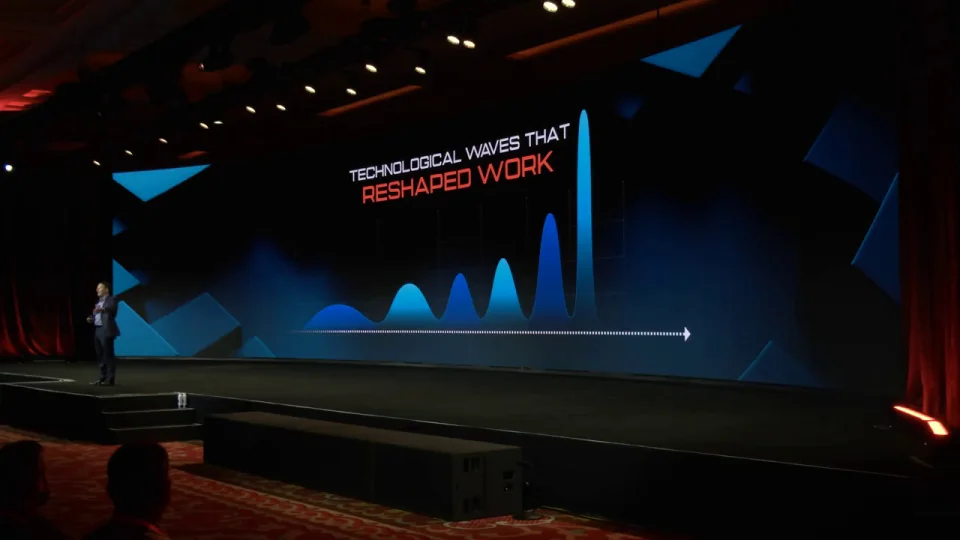
At Calix’s annual customer conference, CEO Michael Weening posed a simple question to a room full of broadband executives: “Does anyone here not have enough to do?”
No hands were raised.
Weening’s point was clear — most professionals are overwhelmed, not underutilized. AI agents, in his view, should act as capacity multipliers, not job destroyers.

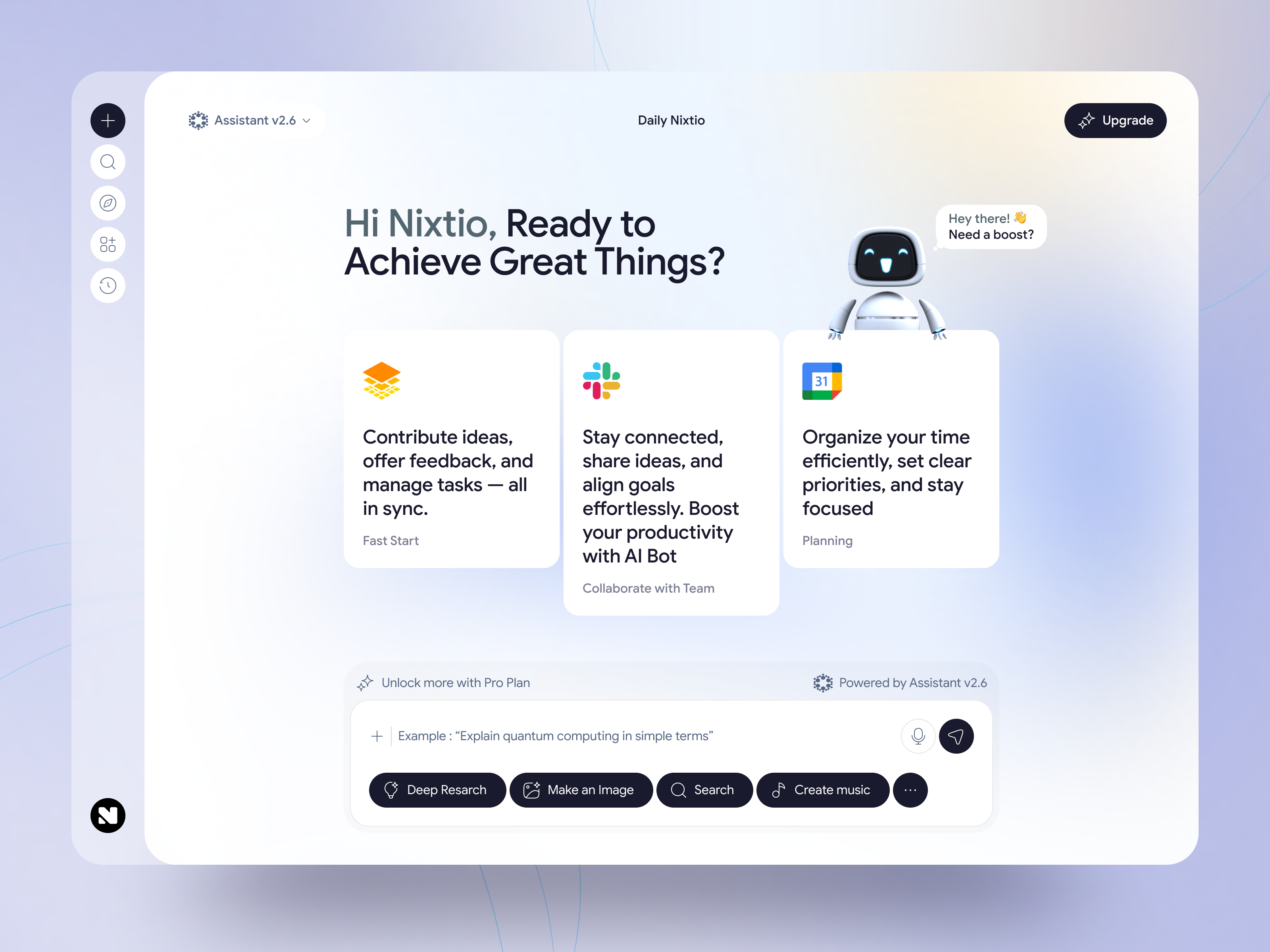
Calix rolled out AI agents across its platforms to:
-
Help marketers create subscriber offers
-
Assist customer service reps with troubleshooting
-
Route inquiries more efficiently
-
Enable field technicians to automate diagnostics
-
Improve installation optimization
Rather than positioning AI as a replacement for employees, Weening framed it as a teammate.
To make the transition less intimidating, Calix even designed its agents as friendly, non-threatening digital characters — softening the emotional response to automation.
This reflects a key element in How CEOs introducing AI agents into the workplace are getting customers and employees ready for the shift: tone matters as much as technology.
The Fear Factor: Layoffs and Labor Anxiety
Despite positive messaging, workforce concerns are real.
AI was cited as a contributing factor in over 55,000 layoffs in the U.S. in 2025, including reductions at companies such as Amazon, Microsoft, and Salesforce.
At the same time, leaders in the AI sector have openly discussed the technology’s potential to reshape the labor market. Anthropic CEO Dario Amodei warned that AI could function as a “general labor substitute,” impacting multiple industries simultaneously.
Unsurprisingly, employee sentiment has shifted. Surveys indicate a growing percentage of workers are worried about job displacement.
This is where executive communication becomes critical.
Weening argues that demonizing AI — or overselling its disruptive power — can derail progress. Instead, he describes agentic AI as workflow-based systems that help humans perform better, not disappear.
The framing shifts from:
“AI will replace you.”
to
“AI will enhance what you do.”
AI as Part of the Workforce
Some companies are going further — counting AI agents alongside human employees.
McKinsey & Company reportedly operates with tens of thousands of personalized AI agents supporting its 40,000 human employees.
Similarly, Calix adopted Microsoft Copilot early, signaling internally that AI integration is not optional — it’s strategic.
Employees were encouraged to experiment. Over 700 internal AI agents were developed organically by staff members. The IT team then formalized high-impact workflows and scaled them company-wide.
Not every tool is revolutionary. Some simply draft emails faster or summarize notes. But experimentation builds familiarity — and familiarity builds confidence.
Balancing Speed and Risk
Introducing AI agents requires balance.
Move too slowly, and competitors surge ahead. Move too fast, and data risks multiply.
Weening emphasizes the importance of clear guardrails, especially around customer data and partner information. The challenge isn’t just adopting AI — it’s doing so responsibly.
He summarizes the likely impact on jobs with a memorable framework:
-
80% of jobs will change 20%
-
20% of jobs will change 80%
In other words, transformation is uneven but inevitable.
The opportunity lies in upskilling teams and reallocating human talent toward higher-value tasks.
From Systems of Record to Systems of Execution
Everest Group CEO Jimit Arora categorizes AI agents as part of a new enterprise layer: “systems of execution.”
Businesses have already evolved through:
-
Systems of record (ERPs)
-
Systems of engagement (CRMs)
-
Systems of insight (analytics platforms)
AI agents now represent the systems that take action.
However, Arora cautions that most organizations are still in a “pre-agentic” phase. True autonomy — where AI operates with agency rather than just scripted actions — is still developing.
He predicts the most significant use cases will emerge in:
-
Software development
-
HR, IT, and finance service desks
-
Customer experience platforms
But success depends on avoiding what he calls “PTSD” in transformation efforts:
-
Process debt
-
Tech debt
-
Skills debt
-
Data debt
If companies automate broken processes, they simply scale inefficiency.
Building Trust Through Gradual Autonomy
CI&T co-founder Bruno Guicardi advocates a phased approach to autonomy.
Rather than giving AI full control immediately, organizations can:
-
Start with human review of AI outputs
-
Gradually reduce oversight as accuracy improves
-
Allow AI to earn autonomy over time
For example, AI-generated client responses may initially require full approval. As trust builds, reviews become random samples — until the system can respond independently.

This incremental trust-building may be the most important element in How CEOs introducing AI agents into the workplace are getting customers and employees ready for the shift.
Autonomy should be earned, not imposed.
The Long Game of AI Adoption
Executives expecting instant ROI may need patience.
Arora draws a parallel to cloud computing. Public cloud platforms like AWS, Google Cloud, and Azure launched between 2006 and 2010 — yet it took more than a decade to reach mainstream adoption.
AI agents may follow a similar trajectory.
The real breakthrough, experts suggest, will come within three to five years. In the meantime, companies must avoid “pilot purgatory” — endless small experiments without meaningful scaling.
The Bottom Line
AI agents are moving from novelty to necessity.
They are reshaping customer journeys, expanding employee capacity, and redefining enterprise systems. But their success depends less on code and more on leadership.
The organizations thriving in this moment are not simply deploying AI — they are:
-
Communicating transparently
-
Positioning AI as augmentation, not replacement
-
Setting clear data safeguards
-
Encouraging experimentation
-
Scaling gradually and strategically
Ultimately, How CEOs introducing AI agents into the workplace are getting customers and employees ready for the shift comes down to mindset.
AI is not just a technology upgrade.
It’s a cultural transformation — and the companies that treat it as such are the ones most likely to unlock its full potential in the years ahead.