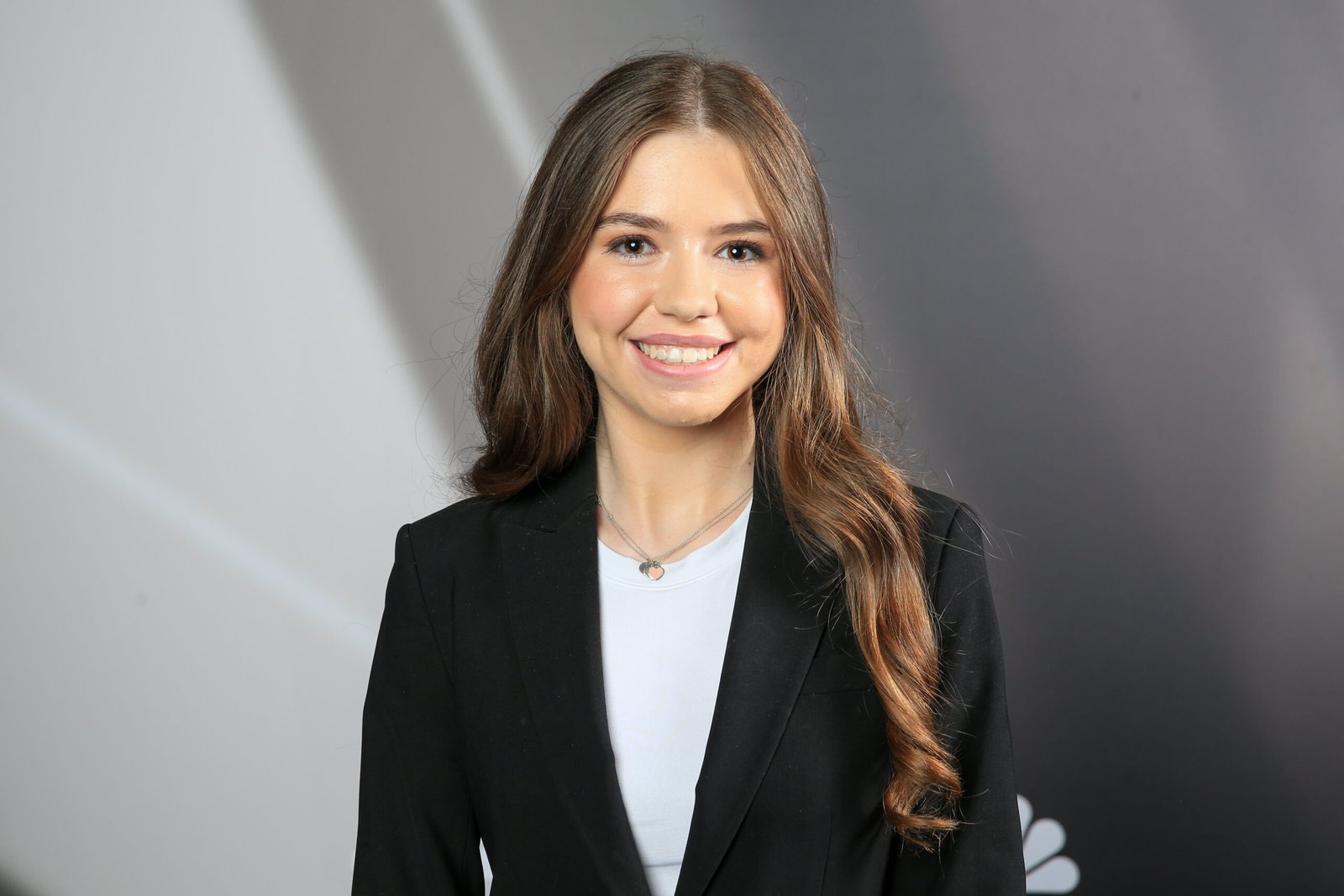
Shampoo bars have long faced an uphill battle in the beauty industry. While they promise less plastic and a lighter environmental footprint, many consumers assume they’ll have to sacrifice performance for sustainability. For years, that perception kept bar shampoos from breaking into the mainstream.
But How Kitsch founder Cassandra Morales Thurswell convinced women to make the switch to bar shampoo isn’t a story about preaching sustainability — it’s about proving results.
Leading With Performance, Not Pressure
Kitsch founder and CEO Cassandra Morales Thurswell understood early on that asking customers to “do better for the planet” wasn’t enough. Women shopping for hair care want softness, shine, manageability, and curl definition — not compromise.
So instead of positioning shampoo bars as a plastic-free alternative, she introduced them as an upgrade.
Kitsch formulated its bars to deliver salon-level performance. The message was simple: this isn’t about giving something up — it’s about getting better hair. Sustainability became the bonus, not the headline.
As Thurswell shared in an interview on CNBC Changemakers and Power Players with journalist Julia Boorstin, the effectiveness of the product speaks for itself. Once customers try the bars and see the results, skepticism fades quickly.
That product-first approach helped her earn recognition on the CNBC Changemakers list in 2025 — highlighting leaders driving innovation and impact.
Building Trust Before Changing Habits
Convincing customers to swap liquid shampoo for a solid bar requires more than clever marketing. It demands trust.
Thurswell didn’t launch shampoo bars overnight. She spent years building loyalty. When she founded Kitsch in 2010 at just 25 years old — with $30,000 in savings — she started small, selling hair elastics door to door. Over time, the brand expanded into pillowcases, shower caps, and hair towels.
By the time shampoo and conditioner bars entered the lineup, Kitsch was already part of customers’ daily routines.
“We were already in the shower with them,” Thurswell explained — a reflection of how deeply embedded the brand had become in women’s lives.
That foundation made it easier for customers to trust Kitsch when it introduced something new and unfamiliar.
Changing Minds About Shampoo Bars
Shampoo bars require a shift in habit. Many consumers assume they won’t lather well or won’t cleanse as effectively as liquid formulas. Even today, some remain unconvinced — including, as Thurswell has joked, her own mother.
But her philosophy is clear: sustainability should never feel like sacrifice. Reducing plastic packaging is valuable, but it can’t come at the cost of performance.
Interestingly, Kitsch didn’t abandon liquid products altogether. The company recently introduced a line of liquid shampoos packaged in fully recyclable materials made with post-consumer recycled content. The move shows that Thurswell isn’t dogmatic — she’s practical. Her goal isn’t to eliminate options, but to improve them.
That flexibility reinforces an important point in understanding How Kitsch founder Cassandra Morales Thurswell convinced women to make the switch to bar shampoo: she removed pressure and offered choice.
Customer Feedback as a Growth Engine
One of the biggest drivers behind Kitsch’s success has been its relentless focus on listening.
From the earliest days of selling elastic hair ties, Thurswell would ask retailers detailed questions: What’s working? What isn’t? How can it improve? She refined products daily based on direct feedback, often returning to stores with adjustments almost immediately.
Sixteen years later, that customer-first mindset remains central to the brand’s growth.
According to Thurswell, customers consistently reveal what they want next — the improvements they need, the price points that feel right, and the pain points they experience. Many brands overlook this goldmine of insight. Kitsch built its momentum by embracing it.
Today, the company gathers feedback everywhere: trade shows, retail partnerships, online reviews, social media platforms, and even TikTok live shopping sessions. The same approach shaped the shampoo bars. Customers openly shared their hesitations — concerns about texture, lather, and effectiveness — and Kitsch used those insights to refine both the product and the messaging.
Staying Close to the Process
Another key differentiator is operational control.
Unlike many beauty brands that outsource manufacturing and fulfillment, Kitsch maintains tight oversight of production, supplier relationships, and even warehouse operations. Leadership has packed and shipped its own products, gaining firsthand insight into packaging waste and logistics inefficiencies.
Seeing the excess — the boxes, the tape, the layers of unnecessary packaging — strengthened the company’s motivation to innovate. Shampoo and conditioner bars significantly reduce waste compared to traditional bottled products.
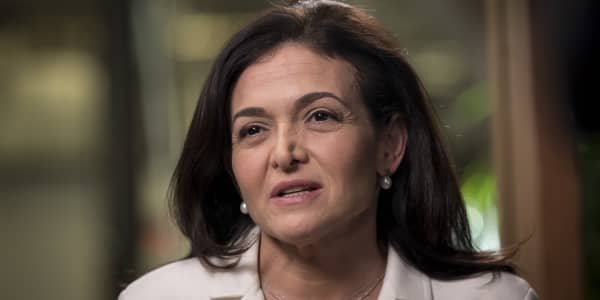
For Thurswell, sustainability became more than a marketing angle. It was a problem she had personally witnessed and wanted to solve — but only in a way that customers would genuinely embrace.
Vision and Long-Term Thinking
Thurswell also credits a personal practice she calls “future journaling” — writing about goals as if they’ve already been achieved. This mindset of visualizing long-term success has guided her decision-making and kept her focused on building a brand with staying power.
Instead of chasing trends, she builds systems. Instead of rushing launches, she builds trust.
That patience paid off. By the time Kitsch introduced shampoo bars, customers were ready — not because they were pressured, but because they believed in the brand.
The Real Reason Women Switched
At its core, How Kitsch founder Cassandra Morales Thurswell convinced women to make the switch to bar shampoo comes down to one powerful shift in strategy:
She didn’t sell sustainability.
She sold superior hair.
The environmental benefits were real and meaningful, but they were secondary. Once women experienced softer strands, defined curls, and easier styling — all without bulky plastic bottles — the switch felt natural.
Not everyone will embrace shampoo bars. Some consumers will always prefer liquid formulas. But by focusing on results, staying obsessively customer-centric, and maintaining operational control, Thurswell transformed what many saw as a niche eco-product into a mainstream beauty staple.
And in doing so, she proved a larger lesson for brands everywhere: people don’t resist change — they resist compromise.