When Steve Beard stepped into the CEO role at Adtalem Global Education in 2021, the company was already reassessing its long-term direction. The leadership team had identified a growing imbalance in the U.S. health-care labor pipeline—one that threatened to leave millions of roles unfilled in the years ahead.
Rather than spreading resources across multiple education sectors, the company made a bold move. It exited its non-health-care divisions and committed entirely to health-care education. That decision marked more than a strategic pivot—it signaled a mission-driven transformation.
At the time, Beard said the company could have immediately rebranded to reflect its sharper focus. But leadership felt it first needed to prove its impact. With the nation’s health-care workforce under increasing strain, the priority was clear: become part of the solution before unveiling a new identity.
From Adtalem to Covista: A Name That Reflects a Mission

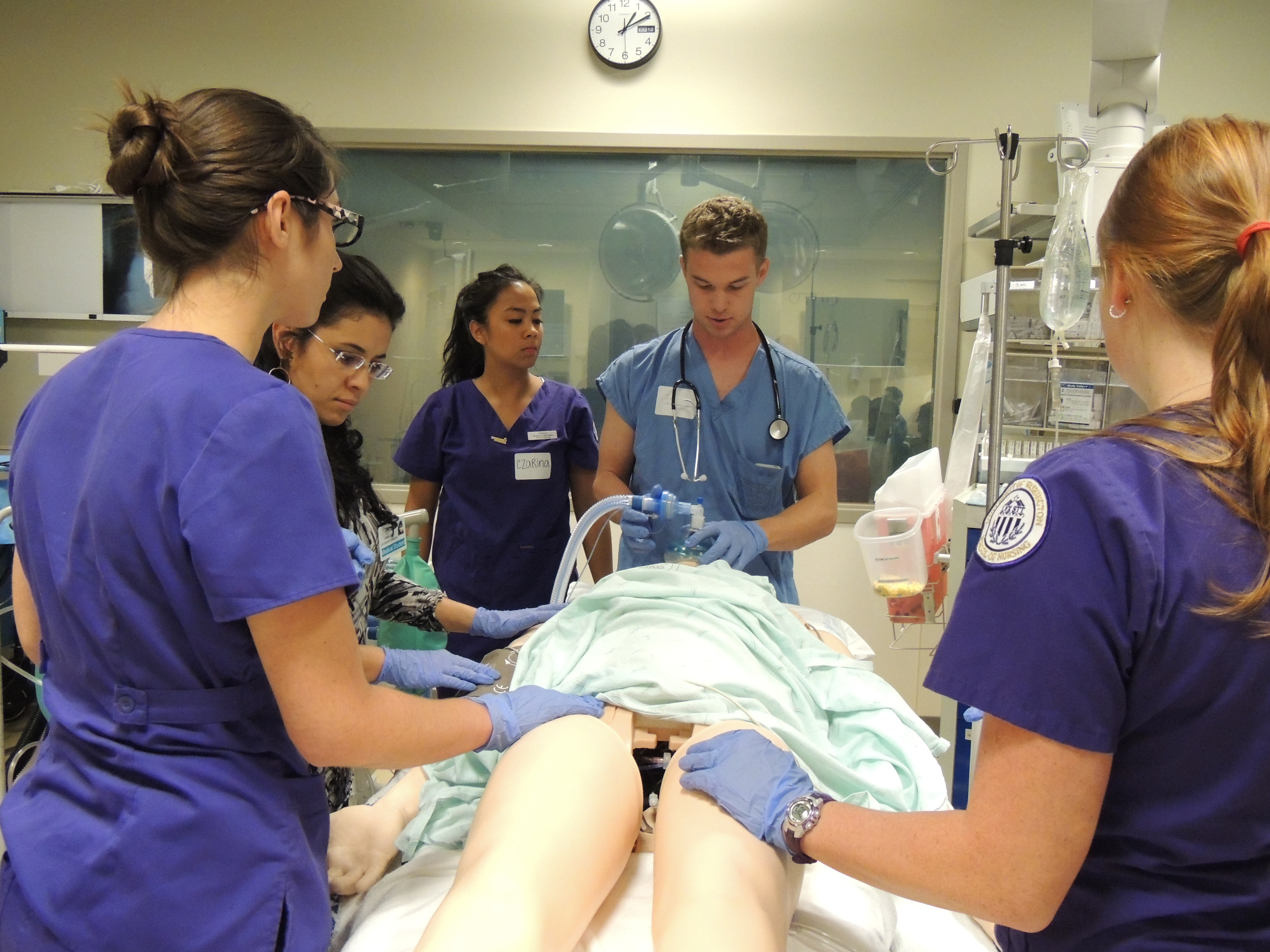

That moment arrived when Adtalem announced its rebrand to Covista. According to Beard, the new name reflects both the company’s accomplishments and its forward-looking ambitions.
The numbers behind the organization are substantial:
-
97,000 students currently enrolled
-
385,000 alumni across its institutions
-
24,000 health-care graduates entering the workforce annually
Those 24,000 graduates represent a significant share of the U.S. clinical workforce pipeline. Roughly 10% of America’s nurses come through its institutions each year. The organization also reports that it educates more MD students than any other MD-granting school in the country and serves as the leading provider of doctors of veterinary medicine nationwide.
Beard emphasizes that this is only the beginning. The vision is to expand scale, strengthen institutional partnerships, and produce even more “day-one-ready” professionals prepared to step directly into patient care settings.
This evolution directly reflects How the Leading U.S. Health Care Education Firm Is Working to Close the Widening Jobs Gap—not only by expanding enrollment, but by redefining how students transition into practice.
The Meaning Behind “Covista”
The naming process itself was deliberate. Beard has openly shared that he found the branding journey fascinating, especially the way linguistics, cultural interpretation, and phonetics influence perception.
The name “Covista” combines two core ideas:
-
“Co” – representing collaboration, community, and shared responsibility
-
“Vista” – symbolizing a broader vision for the future of health care
Together, the name communicates a collective outlook on improving access to health-care careers—especially for individuals historically excluded from such pathways.
Still, branding consultants offered a reminder that resonated deeply with leadership: a brand is only as meaningful as the promise it delivers. A name alone cannot solve workforce shortages. Execution and impact define credibility.
Learning From the Past
This isn’t the first time the broader organization has undergone a rebrand. In 2017, DeVry Education Group transitioned to Adtalem Global Education to better represent its portfolio of institutions.
That shift followed regulatory challenges and a period of restructuring. By 2018, the company had sold DeVry University, further narrowing its focus.
The latest transformation to Covista represents a more definitive move—one centered entirely on strengthening the U.S. health-care workforce.
Importantly, individual schools within the Covista network will retain their own names. The rebrand instead unifies them under a broader enterprise-level vision, empowering each institution to think bigger while contributing to a shared national mission.
Addressing the Health-Care Workforce Crisis



The urgency behind this mission is clear. According to company data, there are more than 8.4 million open health-care jobs in the United States—more than two openings for every unemployed health-care worker.
The strain is visible across the system:
-
73% of health-care executives report staffing shortages affecting care quality
-
76% of clinicians say shortages compromise the care they provide
These figures emerged from a Covista-commissioned survey conducted with Gallup, involving more than 1,300 clinicians and 160 executives.
The findings suggest this is not merely a hiring problem—it’s a patient care crisis.
Shortages are particularly acute in rural communities, where access to specialized professionals is limited. Certain roles—such as radiation therapists and cardiovascular technicians—are especially difficult to fill.
This reality underscores How the Leading U.S. Health Care Education Firm Is Working to Close the Widening Jobs Gap: by expanding access, strengthening employer partnerships, and modernizing training pathways.
Innovation Through Partnerships and Technology
Covista is also leaning into innovation. A partnership with Google Cloud launched an AI credentialing initiative designed to prepare students and practicing clinicians to integrate artificial intelligence responsibly into care delivery.
Additionally, the company has introduced workforce impact programs aimed at:
-
Expanding health-care career exploration
-
Strengthening mental health and well-being support for clinicians
-
Building sustainable pipelines in high-need regions
Employer-backed education models are central to this approach. Through partnerships between its institutions and health systems, students receive tuition support and clinical training in exchange for committing to work with the sponsoring employer after graduation.
One example involves Chamberlain University and Midwest-based SSM Health, a collaboration projected to produce more than 400 new nurses annually.
These programs create a closed-loop workforce solution—training professionals precisely where shortages are most severe.
Policy Challenges and Financial Realities
Despite its ambitious growth plans, Covista operates within a complex policy landscape.
Recent federal changes have placed caps on student borrowing for graduate programs. Nursing degrees, for example, now face lower borrowing limits compared to other medical fields.
Beard acknowledges concerns about student debt and over-borrowing. However, he argues that health-care degrees typically deliver strong earnings premiums, making them long-term value investments when aligned with workforce demand.
At the same time, broader policy shifts and reductions in federal health-care spending have raised concerns about hospital system stability nationwide. While those financial pressures are real, Beard remains focused on demographic inevitabilities.
The U.S. population is aging rapidly. Chronic conditions are rising. Demand for care is not slowing down.
Looking Ahead: Optimism Amid Urgency
Beard maintains cautious optimism about the future of American health care. Demographic forces alone ensure that the need for clinicians will continue to grow. That necessity, he believes, will drive innovation, smarter funding models, and stronger collaboration across sectors.
The company’s strategy centers on three pillars:
-
Scale responsibly – expand enrollment while maintaining workforce alignment
-
Deepen employer integration – train students directly for real-world demand
-
Leverage innovation – use AI and technology to enhance, not replace, clinicians
Ultimately, How the Leading U.S. Health Care Education Firm Is Working to Close the Widening Jobs Gap is not about branding alone. It is about aligning education with national need—ensuring that students are prepared, supported, and placed where they can have immediate impact.
As the country faces a historic workforce imbalance, Covista’s evolution represents a case study in how higher education can respond with focus, scale, and purpose.
And if Beard’s outlook proves accurate, the next chapter will not simply be about filling jobs—but about reshaping how America delivers care.