In a world overflowing with notifications, possessions, and constant demands on our attention, many people are choosing a different path—one defined by simplicity, clarity, and intention. This shift is known as the minimalist lifestyle trend, and it is more than just a design aesthetic or a passing social media movement. It represents a deeper cultural response to burnout, overconsumption, and the desire for a more meaningful life.
From homes and wardrobes to schedules and digital habits, minimalism is quietly reshaping how we live. Here’s why the minimalist lifestyle trend continues to grow—and why it might be exactly what modern life needs.
Understanding the Minimalist Lifestyle Trend
At its core, the minimalist lifestyle trend focuses on removing excess in order to make room for what truly matters. It doesn’t mean living with nothing or rejecting comfort. Instead, it emphasizes intentional choices—owning fewer but better things, prioritizing experiences over possessions, and creating space for mental peace.
Minimalism looks different for everyone. For some, it means decluttering a home. For others, it involves simplifying commitments, finances, or even relationships. What unites all minimalists is the belief that more is not always better.
Why Minimalism Is Gaining Global Popularity
Several cultural shifts have fueled the rise of the minimalist lifestyle trend:
1. Burnout and Mental Overload
Modern life is fast, loud, and demanding. Minimalism offers relief by reducing visual, mental, and emotional clutter. Fewer distractions often lead to improved focus and lower stress levels.
2. Environmental Awareness
Overconsumption has a clear environmental cost. Many people are turning to minimalism as a sustainable choice—buying less, wasting less, and choosing quality over quantity.
3. Financial Freedom
Owning fewer unnecessary items naturally leads to better money management. The minimalist lifestyle trend encourages mindful spending, helping individuals save, invest, and reduce financial anxiety.
4. Digital Fatigue
Constant scrolling and screen time have pushed people toward digital minimalism—curating social media feeds, reducing app usage, and reclaiming offline time.
Minimalism Beyond Home Décor
While minimalist interiors—neutral colors, clean lines, and uncluttered spaces—often define the trend visually, the minimalist lifestyle trend extends far beyond home design.
Minimalist Fashion
Capsule wardrobes are a major part of the movement. Instead of overflowing closets, minimalists choose versatile, timeless pieces that mix and match easily. This approach saves time, money, and decision fatigue.
Minimalist Schedules
Overpacked calendars are another form of clutter. Minimalism encourages saying “no” more often, leaving room for rest, creativity, and meaningful connections.
Minimalist Mindset
Perhaps the most powerful aspect is mental minimalism—letting go of perfectionism, comparison, and unnecessary stress. The focus shifts from constant achievement to intentional living.
The Psychological Benefits of a Minimalist Lifestyle
One reason the minimalist lifestyle trend resonates so deeply is its impact on mental health.
-
Reduced Anxiety: Less clutter often means fewer visual triggers and calmer surroundings.
-
Improved Focus: Simplified environments help the brain concentrate better.
-
Greater Contentment: When you stop chasing more, you start appreciating what you already have.
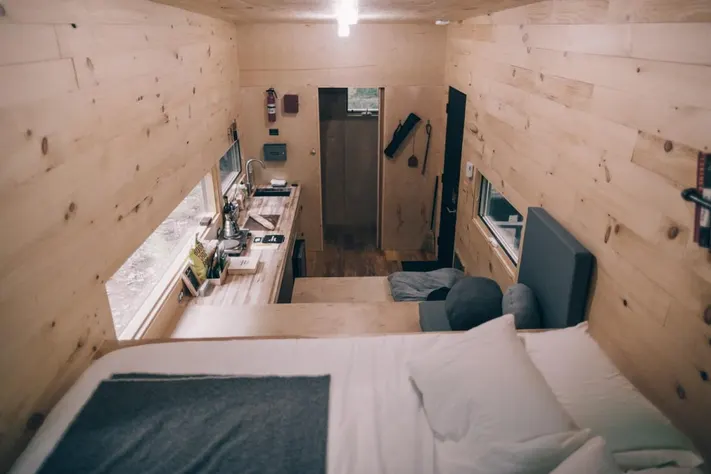
Studies and personal experiences consistently show that people who adopt minimalist habits often feel more in control and emotionally balanced.
Common Myths About Minimalism
Despite its popularity, the minimalist lifestyle trend is often misunderstood.
Myth 1: Minimalism Is Cold or Boring
In reality, minimalism can be warm, personal, and expressive. It’s about intention, not emptiness.
Myth 2: You Must Get Rid of Everything
Minimalism isn’t about deprivation. It’s about keeping what adds value to your life.
Myth 3: Minimalism Is Only for the Wealthy
In fact, minimalism often appeals to people seeking financial simplicity and freedom, not luxury.
How to Start Embracing the Minimalist Lifestyle Trend
You don’t need to overhaul your life overnight. Small, consistent steps make minimalism sustainable.
-
Declutter One Area at a Time – Start with a drawer, desk, or digital folder.
-
Question Every Purchase – Ask if it adds real value before buying.
-
Simplify Daily Routines – Streamline morning or evening habits.
-
Focus on Experiences – Invest in memories, not just material things.
The key to the minimalist lifestyle trend is progress, not perfection.
Why Minimalism Is Here to Stay
Unlike short-lived trends, minimalism aligns with long-term needs: mental health, sustainability, and balance. As people continue to seek calmer, more intentional lives, the minimalist lifestyle trend is likely to evolve—but not disappear.
In a society that constantly pushes for more, minimalism quietly reminds us that fulfillment often comes from less. Less clutter. Less noise. Less pressure. And in that simplicity, many are discovering a richer, more grounded way of living.