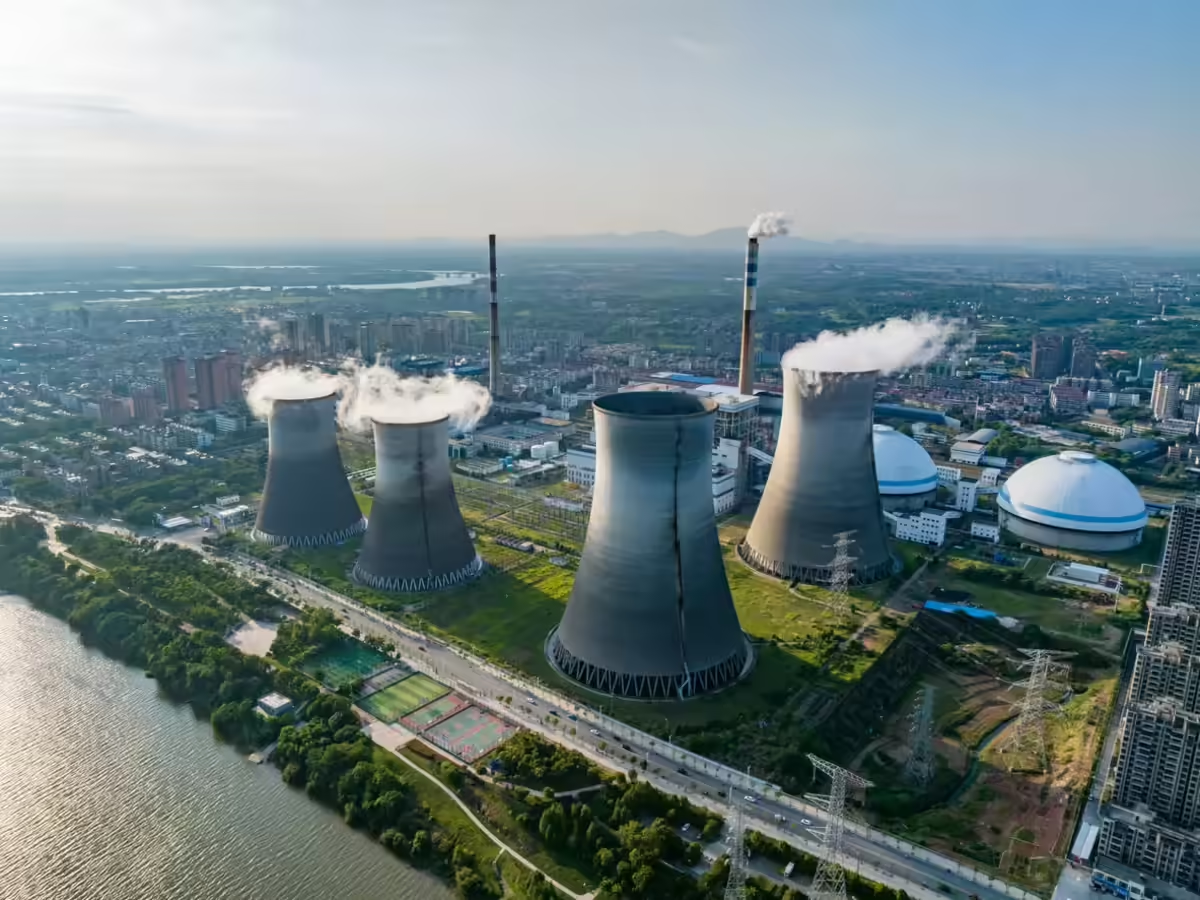
The nuclear power industry is quietly entering a renewed phase of optimism. After years of stagnation, aging facilities are being upgraded, and fresh capital is pouring into a new generation of companies. This resurgence is driven by the belief that innovation—rather than sheer scale—may finally solve the problems that have long plagued nuclear power. Nuclear startups are regaining momentum with small reactors, even as major challenges remain, and that balance of hope and risk defines the industry’s current moment.
Investment Surges Signal Confidence
Investor interest in nuclear technology has grown sharply. In the closing weeks of 2025 alone, startups in the sector raised around $1.1 billion. Much of this enthusiasm rests on the idea that smaller, more flexible nuclear reactors could succeed where traditional mega-projects have struggled. For many backers, the logic is simple: nuclear power remains one of the few carbon-free energy sources capable of producing reliable, round-the-clock electricity at scale.
The Weight of Traditional Reactors
Conventional nuclear plants are enormous undertakings. Recent U.S. projects required vast amounts of concrete and steel, used towering fuel assemblies, and were designed to generate more than a gigawatt of power each. While impressive on paper, these reactors became cautionary tales in practice—delayed by nearly a decade and exceeding their original budgets by tens of billions of dollars. Such experiences have made utilities and governments wary of repeating the same approach.
Why Smaller Reactors Look Different
New nuclear startups are betting that smaller reactors can change the equation. Instead of relying on a single massive plant, they propose modular designs that can be added incrementally as demand grows. Supporters argue that these reactors can be manufactured using standardized processes, much like products on an assembly line. As production increases, efficiency should improve, leading to lower costs over time.
Experts are still studying how significant these cost reductions might be, but startups are counting on them being meaningful. The promise of flexibility—build one reactor now, add more later—has become a key selling point.
Manufacturing: The Real Test
Yet shrinking the reactor does not eliminate the toughest challenge: manufacturing. History offers a sobering reminder of how difficult mass production can be, even in mature industries. Scaling up production requires not just technology, but deep expertise across supply chains, logistics, and factory operations.
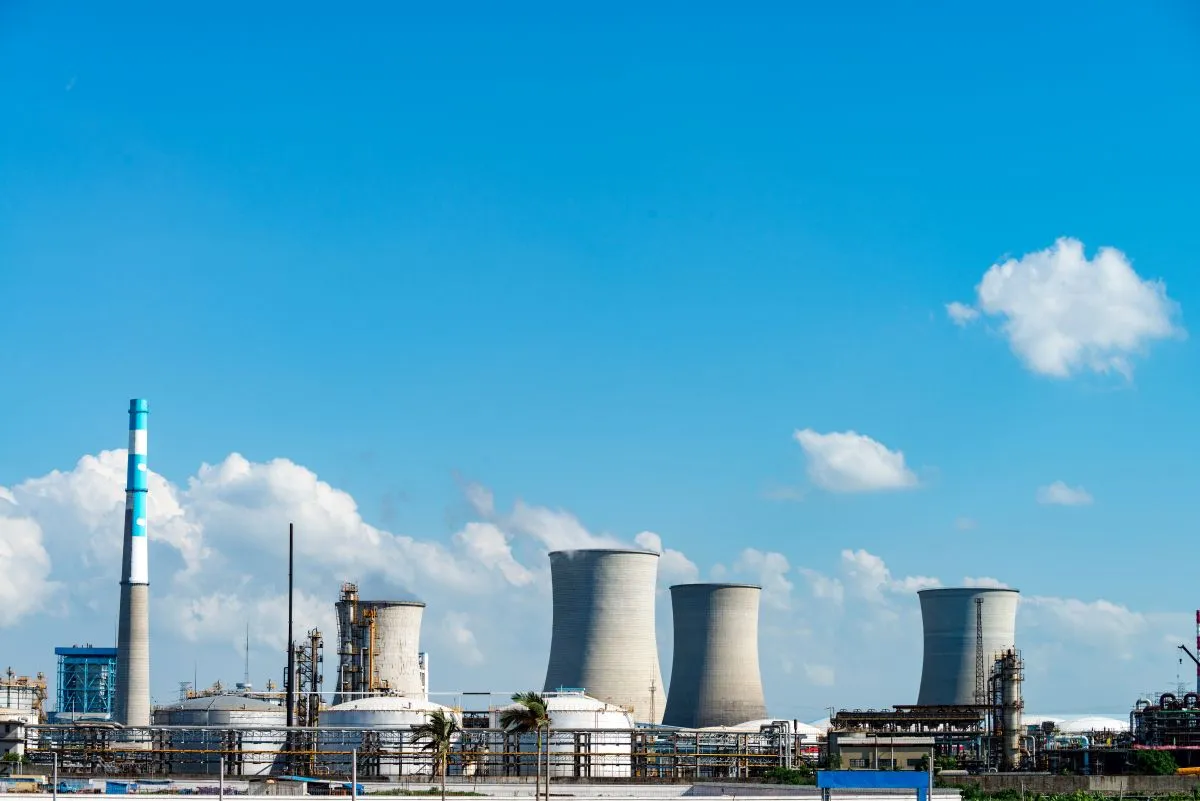
For nuclear startups in the United States, this challenge is amplified. Many specialized materials and components are no longer produced domestically, forcing companies to rely on overseas suppliers. Decades of offshoring have eroded the country’s industrial know-how, making it harder to rapidly rebuild complex manufacturing ecosystems.
Capital Is Plentiful, Talent Is Not
On the financial side, startups are well positioned. Investment capital is flowing freely, easing concerns about funding factories and equipment. However, money alone cannot replace experience. The greater obstacle is human capital.
After nearly 40 years with limited large-scale industrial construction, the U.S. workforce lacks sufficient numbers of seasoned professionals who know how to design, build, and run advanced manufacturing facilities. This gap extends beyond machine operators to include supervisors, executives, and board members who understand the realities of production at scale.
Learning by Building Close to Home
There is, however, a reason for cautious optimism. Many startups are choosing to develop early versions of their reactors close to their engineering teams. This proximity allows for faster feedback loops—designs can be refined quickly based on real-world manufacturing data. Over time, this approach helps rebuild lost expertise and strengthens domestic production capabilities.
Modularity as a Path Forward
Investors increasingly favor modular strategies. Starting small enables companies to test processes, gather data, and gradually improve efficiency before scaling up. This incremental approach can reassure backers, provided the data shows steady progress. Still, patience is essential. The benefits of mass manufacturing rarely appear overnight; meaningful cost reductions may take many years to materialize.
A Long Road Ahead
The nuclear industry’s revival is real, but it is not guaranteed. Nuclear startups are regaining momentum with small reactors, even as major challenges remain—from supply chain gaps to workforce shortages. Success will depend not only on innovative reactor designs, but also on rebuilding the manufacturing muscle needed to turn those designs into reality. If the industry can manage that, small reactors may finally deliver on nuclear power’s long-promised potential.