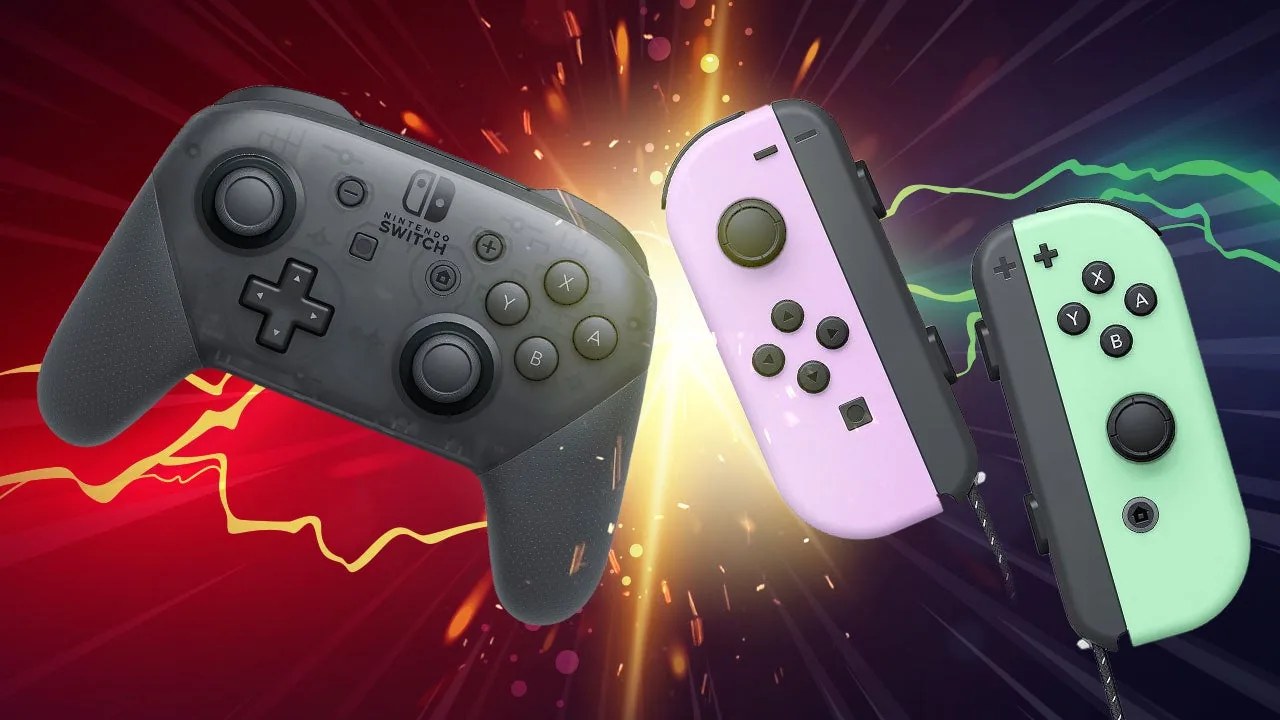
When Nintendo unveiled the Switch in 2017, the console itself drew plenty of attention—but it was the controllers that truly surprised the gaming world. Nintendo Joy Cons were unlike anything players had seen before: compact, colorful, and packed with features far beyond their size. Nearly a decade later, they remain one of Nintendo’s most talked-about innovations, praised for creativity and flexibility while also criticized for durability issues. Love them or hate them, there’s no denying their impact on modern gaming.
What Are Nintendo Joy Cons?
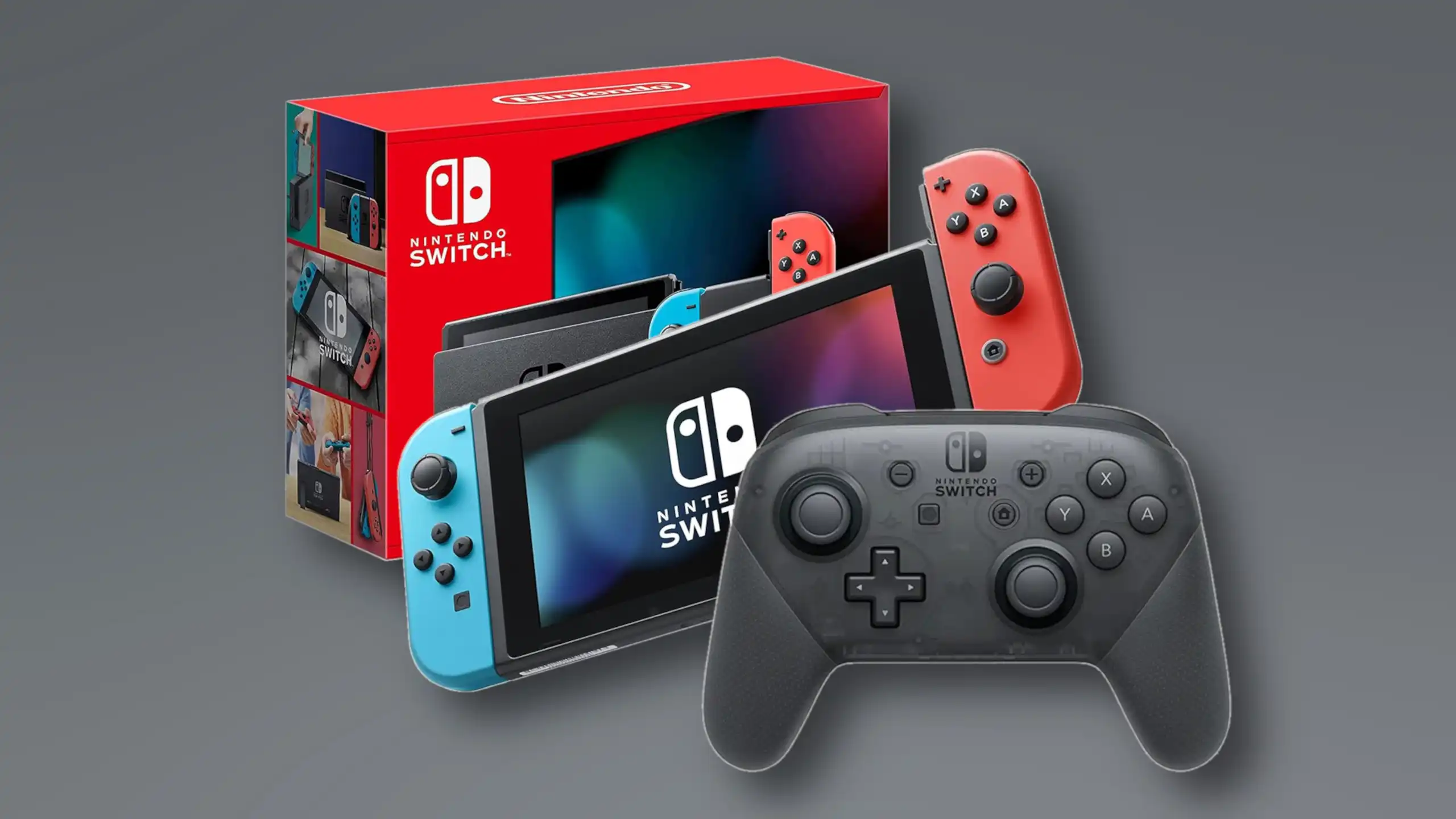
Nintendo Joy Cons are the primary controllers designed for the Nintendo Switch. Instead of one traditional gamepad, Nintendo split control into two small units—Joy-Con (L) and Joy-Con (R). Each can function independently, attach to the console, or be paired together in a grip.
This modular design perfectly supports the Switch’s hybrid nature. Whether you’re playing on the TV, in tabletop mode with friends, or on the go, Nintendo Joy Cons adapt instantly.
A Design That Encourages Social Gaming
One of the most brilliant ideas behind Nintendo Joy Cons is instant multiplayer. Out of the box, the Switch includes two controllers, meaning two people can play together without buying extras. This design philosophy reflects Nintendo’s long-standing focus on social, couch-based gaming.
Games like Mario Kart 8 Deluxe and Super Smash Bros. Ultimate feel more accessible when anyone can grab a Joy-Con and jump in. The controllers may be small, but they make big group gaming moments possible.
Packed With Innovative Features
Despite their size, Nintendo Joy Cons are loaded with technology:
-
Motion controls that rival the Wii Remote
-
HD Rumble, which delivers subtle, precise vibration feedback
-
Infrared Motion Camera (on the right Joy-Con) for detecting shapes and movement
-
Gyroscope and accelerometer for motion-based gameplay
HD Rumble, in particular, stands out. Instead of simple vibrations, it can simulate sensations like rolling marbles or gentle taps. Nintendo showcased this brilliantly in 1-2-Switch, proving that Nintendo Joy Cons could offer new ways to feel games—not just play them.
Customization and Color Appeal
Another reason Nintendo Joy Cons are so popular is their visual identity. Nintendo embraced bold, playful colors—from neon red and blue to pastel pinks, greens, and limited-edition designs tied to major releases.
This customization allows players to mix and match, making their console feel personal. It’s a small detail, but it reinforces Nintendo’s brand as fun, expressive, and family-friendly.
The Joy-Con Drift Controversy
No discussion about Nintendo Joy Cons is complete without addressing Joy-Con drift. Drift occurs when the joystick registers movement even when untouched, causing characters to move on their own.
This issue sparked widespread criticism and legal challenges worldwide. For many players, drift undermined the premium feel of the controllers. Nintendo eventually acknowledged the problem and began offering free repairs in several regions.
While newer Joy-Cons appear more durable, the drift issue remains a defining chapter in their history—one that Nintendo continues to work to move past.
How Nintendo Joy Cons Changed Game Design
The unique capabilities of Nintendo Joy Cons influenced how developers design games. Motion-based puzzles, asymmetric multiplayer, and one-controller-per-player experiences became more common.
Nintendo titles like Ring Fit Adventure and Nintendo Switch Sports show how Joy-Cons can transform simple movements into engaging gameplay. Even third-party developers have embraced their versatility, proving that innovation doesn’t always require complex hardware—sometimes, it just needs a fresh idea.
Joy Cons vs Traditional Controllers
Compared to classic controllers like the Pro Controller or gamepads from Sony and Microsoft, Nintendo Joy Cons feel unconventional. They’re smaller, less ergonomic for long sessions, and not ideal for competitive play.
However, their strength lies in flexibility. Detach them, share them, swing them, or slide them onto the console—few controllers can match that adaptability. Instead of replacing traditional controllers, Nintendo Joy Cons expand what a controller can be.
The Future of Nintendo Joy Cons
With speculation around future Nintendo hardware, many fans wonder what’s next for Nintendo Joy Cons. Will Nintendo refine the design, improve durability, or introduce new sensory features?
Given Nintendo’s history, it’s likely the Joy-Con concept will continue evolving rather than disappear. The idea of modular, multi-purpose controllers fits perfectly with Nintendo’s philosophy of playful innovation.
Final Thoughts: Why Nintendo Joy Cons Still Matter
Despite their flaws, Nintendo Joy Cons represent one of the boldest controller designs in gaming history. They challenged assumptions about how we hold, share, and experience games. From living-room parties to solo handheld adventures, they helped redefine what a modern console controller could be.