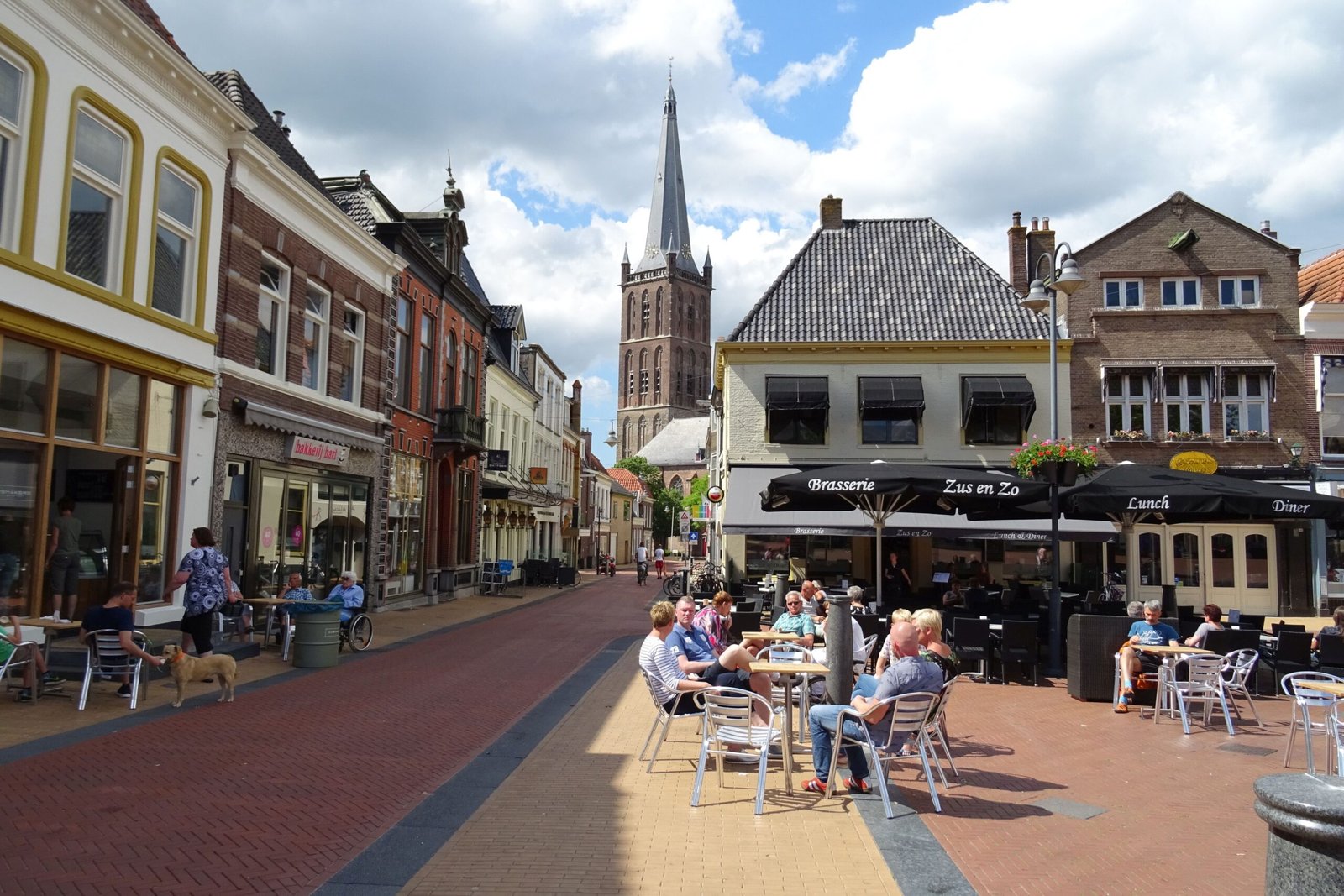
Nestled in the northwestern corner of the Dutch province of Overijssel, steenwijk is a town that blends deep history with modern Dutch charm. Often overlooked in favor of larger cities, this small yet significant destination has played a vital role in the Netherlands’ cultural, economic, and defensive past. From medieval fortifications to its present-day role as a regional hub, steenwijk offers a story worth telling.
A Town Shaped by History
The origins of steenwijk date back more than a thousand years. Its strategic location made it an important settlement during the Middle Ages, especially as a defensive stronghold. The town received city rights in the 13th century, a milestone that allowed it to grow economically and politically.
One of the most defining moments in the town’s history came during the Eighty Years’ War, when steenwijk was fiercely contested between Spanish and Dutch forces. Its fortified walls and gates made it a valuable military prize. Although much of the original fortifications no longer stand, their influence remains visible in the town’s layout and historical landmarks.
The Meaning Behind the Name
The name steenwijk roughly translates to “stone district” or “stone settlement,” a reference to its early stone constructions. In a time when many settlements relied on wood, stone buildings symbolized strength, permanence, and importance. This distinction helped steenwijk stand out among neighboring towns and reinforced its reputation as a secure and reliable place to live and trade.
Geography and Natural Surroundings
Located near the borders of Friesland and Drenthe, steenwijk serves as a gateway to some of the Netherlands’ most beautiful natural areas. Just outside the town lies De Weerribben-Wieden National Park, a vast wetland known for its canals, reed fields, and wildlife.
This proximity to nature makes steenwijk attractive not only to residents but also to tourists who enjoy cycling, boating, and hiking. The town itself balances urban convenience with easy access to peaceful countryside landscapes.
Cultural Life and Local Identity
Despite its modest size, steenwijk has a vibrant cultural identity. The town hosts local festivals, markets, and community events that reflect traditional Dutch values of togetherness and civic pride. Music, theater, and art play an important role in local life, supported by community centers and cultural venues.
Historically, steenwijk has also been linked to notable figures, including military leaders and politicians who shaped Dutch history. These connections are often highlighted in museums and historical exhibitions, helping residents and visitors alike understand the town’s broader significance.
Architecture and Landmarks
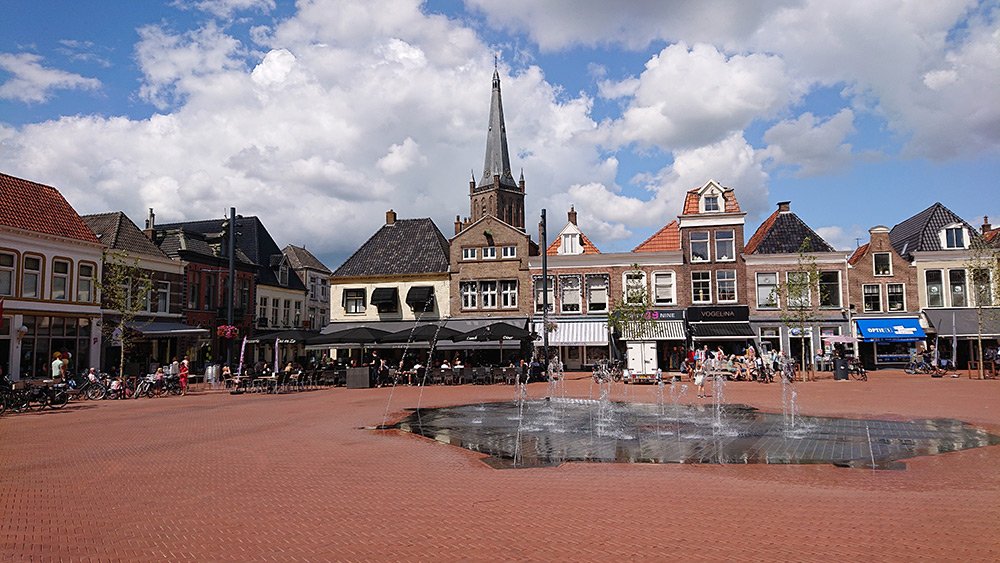
Walking through steenwijk, visitors encounter a mix of old and new architecture. Historic churches, traditional Dutch houses, and preserved street patterns coexist with modern shops and residential developments.
One of the most recognizable landmarks is the Grote Kerk, a church that has stood for centuries and remains central to the town’s skyline. Former city gates and memorials scattered throughout steenwijk serve as reminders of its fortified past. These structures may be subtle, but they give the town a unique character rooted in resilience and endurance.
Economic Role and Modern Development
Today, steenwijk functions as an important regional center for commerce, education, and transportation. Its railway station connects the town to major Dutch cities, making it accessible for commuters and travelers alike.
The local economy is diverse, with retail, small businesses, logistics, and services forming its backbone. While agriculture remains significant in surrounding areas, steenwijk itself has embraced modernization without losing its historical identity. Urban renewal projects have improved infrastructure while respecting the town’s heritage.
Living in Steenwijk
For residents, steenwijk offers a high quality of life. The town is known for its safety, strong community ties, and family-friendly environment. Schools, healthcare facilities, and recreational spaces are easily accessible, making daily life convenient and comfortable.
Housing in steenwijk ranges from historic homes in the town center to newer developments on the outskirts. This variety attracts a mix of young families, professionals, and retirees who appreciate the balance between tradition and modern living.
Why Steenwijk Matters
While it may not be as internationally famous as Amsterdam or Utrecht, steenwijk represents an essential piece of the Netherlands’ historical and cultural mosaic. It tells the story of how smaller towns contributed to national defense, economic growth, and regional identity.
In many ways, steenwijk embodies the Dutch ability to adapt over centuries—preserving history while embracing progress. Whether explored as a travel destination, a place to live, or a subject of historical interest, the town continues to prove that size does not determine significance.
Conclusion
Steenwijk is more than just a dot on the map of Overijssel. It is a town shaped by stone, struggle, and community spirit. With its rich past, welcoming present, and promising future, steenwijk stands as a quiet yet powerful example of Dutch heritage done right.