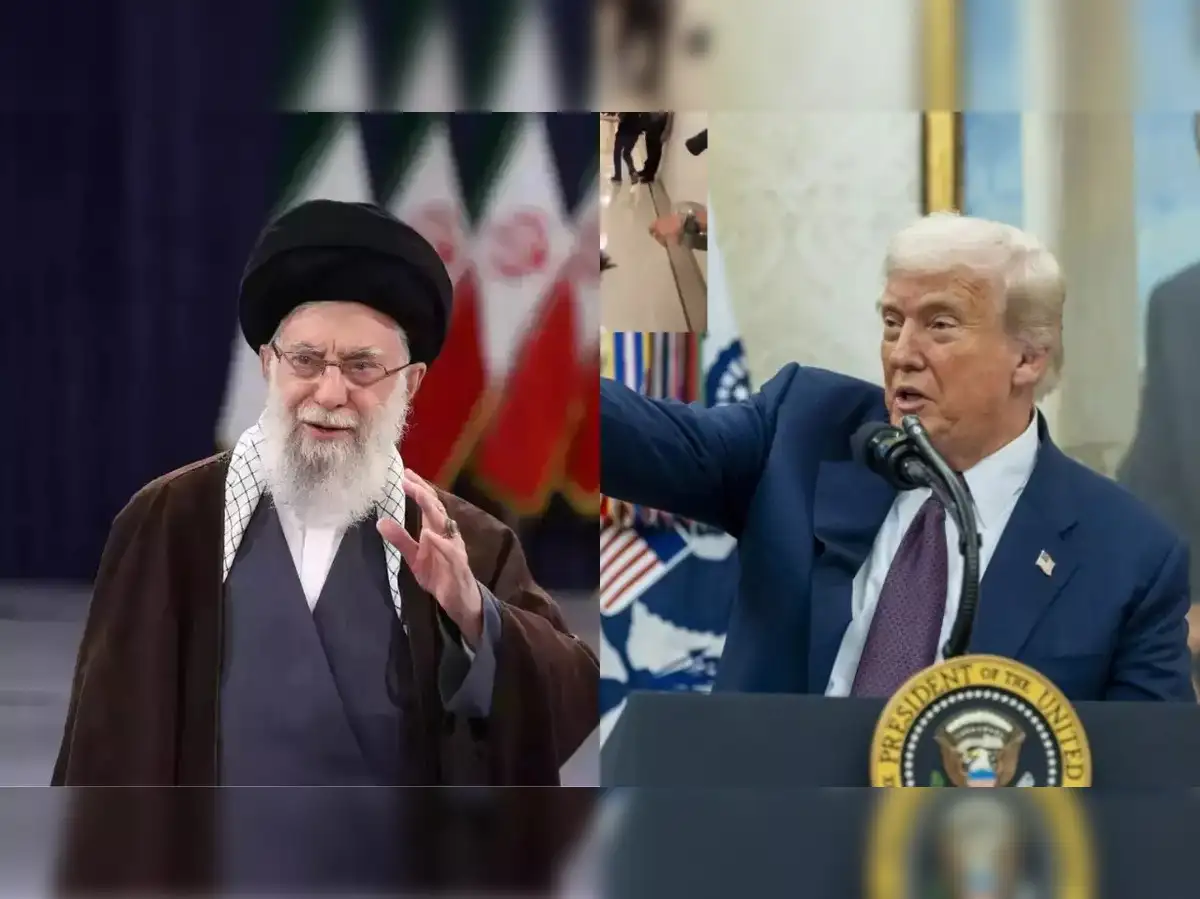
As unrest deepens across Iran, the standoff between Washington and Tehran has entered a dangerous new phase. Trump says he is weighing ‘very strong’ military options against Iran as the number of protesters killed continues to rise, a statement that reflects how sharply the situation has escalated in just a few days. The US president claims Iranian leaders have quietly reached out to open talks, even while security forces continue to crack down on demonstrators inside the country.
Speaking to reporters aboard Air Force One, Donald Trump suggested that Iran may have crossed what he earlier described as a “red line” — the mass killing of protesters. When asked if that point had been reached, he replied that “it’s starting to look like it.” According to Trump, US officials are now examining the situation closely. The military, he said, is reviewing potential responses, and “very strong options” are on the table as Washington considers how to react.
Iran Reaches Out While Washington Considers Its Next Move
Despite the growing tension, Trump claimed that Iran has signaled a willingness to negotiate. He told reporters that Tehran appears worn down by US pressure and may now be ready to talk. “They’re tired of being pushed around,” he said, suggesting that Iran is looking for a diplomatic off-ramp even as the streets fill with protesters.
This unusual mix of threats and potential diplomacy comes as the US seeks to project strength on the global stage. Trump referenced recent American actions in Venezuela as proof that Washington is prepared to act decisively when it believes its interests or values are being challenged.
Rising Death Toll and Mass Arrests Spark Global Alarm
Human rights organizations paint a grim picture of what is happening inside Iran. A US-based monitoring group reports that more than 500 people have been killed since demonstrations erupted, with the vast majority believed to be unarmed protesters. Tens of thousands have also been arrested as authorities move aggressively to dismantle the protest movement.
Another international watchdog, based in Norway, has put the death toll at well over 100, though it admits that verifying numbers has become nearly impossible due to Iran’s nationwide internet blackout. Without reliable access to the outside world, activists and journalists struggle to document what is happening, and many believe the true figures are much higher than those being reported.
Trump Issues Public Warnings and Support for Protesters
Trump has not been subtle about where he stands. In recent social media posts, he declared that the United States is ready to support the Iranian people in their push for freedom. He even hinted that Washington could step in if the killings continue, framing the unrest as a fight for basic rights against an oppressive government.
These statements have fueled both hope among protesters and fear of wider conflict among international observers. While many Iranians welcome outside pressure on their government, others worry that foreign intervention could give Tehran an excuse to intensify its crackdown.
Iranian Leaders Push Back With Strong Threats
Tehran’s response has been swift and defiant. The speaker of Iran’s parliament warned that any US military action would be met with retaliation, saying that American bases and allies in the region would become legitimate targets. The message was clear: an attack on Iran would not remain contained.
Iran’s president also accused foreign powers of stirring up the unrest, claiming that outside forces are trying to destabilize the country by supporting what he called “terrorists.” He urged citizens to take part in a government-backed march to show national unity against what officials describe as foreign interference.
Protest Movement Grows Despite Brutal Repression
What began as demonstrations over economic hardship has now evolved into something far more serious. Protesters are openly calling for political change and, in many cases, the end of the current government. The scale and persistence of the unrest make it one of the most significant challenges Iran’s leaders have faced in years.
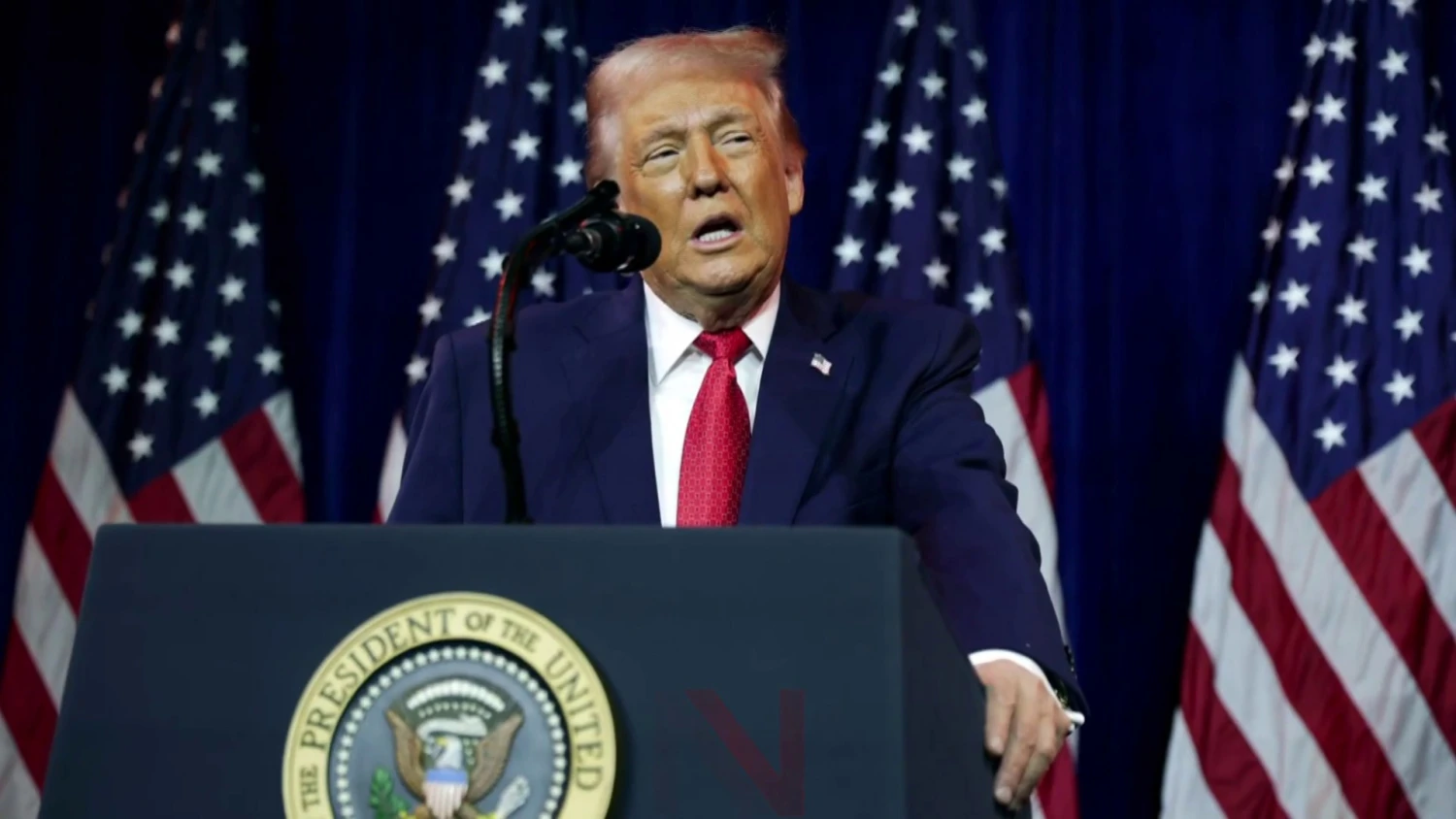
Authorities have responded with mass arrests, targeting what they describe as the organizers of the movement. Iran’s police chief announced that key figures behind the protests had been detained and would face severe punishment. The country’s top prosecutor has even suggested that those involved could be charged with crimes carrying the death penalty.
Voices From Exile and Inside Iran
From abroad, Reza Pahlavi, the son of Iran’s former shah, has urged members of the security forces to side with the people rather than the government. In a widely shared message, he said soldiers and civil servants must choose between standing with their fellow citizens or being remembered as accomplices to repression.
Inside Iran, however, communication is scarce. With most of the internet shut down, only fragments of video and text manage to escape the blackout, often sent via satellite connections. In one message from the city of Sari, a protester described streets under what felt like full martial law, with security forces everywhere.
A Dangerous Crossroads
The crisis has now reached a point where every decision carries enormous risk. Trump says he is weighing ‘very strong’ military options against Iran as the number of protesters killed continues to rise, but even he acknowledges that diplomacy is still possible if Tehran is willing to talk. For Iran’s leaders, the challenge is whether to keep relying on force or to seek a political solution before the unrest spirals further out of control.