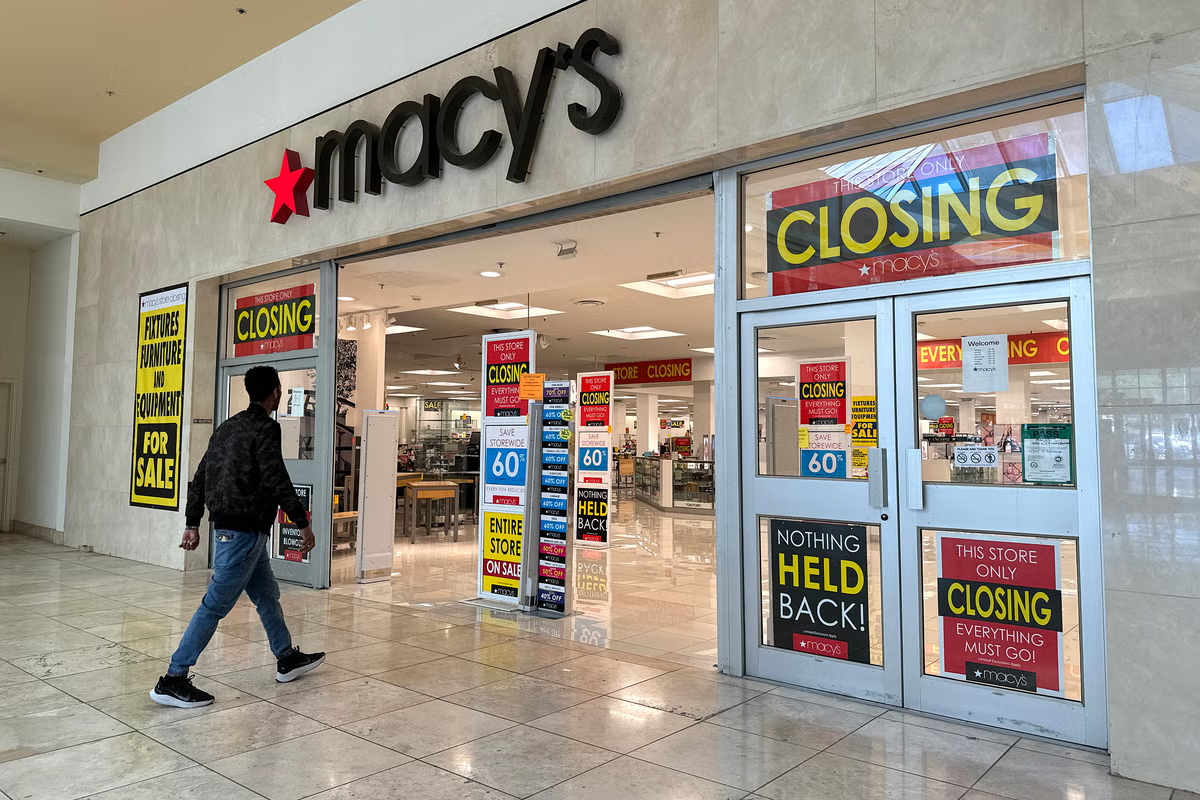
For more than a century, Macy’s has been a symbol of American shopping culture. From iconic Thanksgiving Day parades to massive flagship stores in major cities, the brand has long represented tradition, variety, and accessibility. However, recent announcements about macy stores closing have sparked concern, curiosity, and debate across the country. These closures are not just about one retailer shrinking its footprint—they reflect deeper changes in how Americans shop, work, and interact with physical retail spaces.
This article explores why Macy’s is closing stores, which locations are most affected, and what it means for employees, communities, and the future of brick-and-mortar retail.
Why Are Macy Stores Closing?
The decision behind macy stores closing is rooted in a combination of economic pressures and shifting consumer behavior. Over the past decade, online shopping has grown rapidly, changing how customers browse and buy products. Consumers increasingly prefer the convenience of e-commerce, same-day delivery, and mobile apps over visiting large department stores.
At the same time, maintaining massive physical locations has become costly. Rising rent, utilities, labor expenses, and supply chain challenges have made underperforming stores difficult to justify. Macy’s leadership has stated that closing weaker locations allows the company to focus resources on stronger stores and digital platforms.
In short, the closures are part of a long-term strategy to adapt to a new retail reality rather than a sudden collapse.
Which Locations Are Being Affected?
While macy stores closing has become a nationwide headline, the impact is not uniform across all regions. Many of the stores targeted for closure are located in declining shopping malls or areas with reduced foot traffic. Smaller markets and suburban malls have been hit particularly hard.
On the other hand, flagship stores and high-performing urban locations are expected to remain open and, in some cases, receive further investment. Macy’s is aiming to shrink its overall footprint while strengthening its most profitable and strategically important stores.
This selective approach highlights the company’s shift from expansion to optimization.
Impact on Employees and Local Communities
One of the most immediate and human consequences of macy stores closing is its effect on employees. Thousands of workers—including sales associates, managers, and support staff—face job uncertainty. While Macy’s often offers severance packages or opportunities to transfer, not all workers are able to relocate or find new roles quickly.
Communities also feel the loss. Department stores often serve as anchor tenants in malls, drawing foot traffic that supports smaller businesses nearby. When a Macy’s closes, it can accelerate the decline of an entire shopping center, leading to additional store closures and reduced local economic activity.
For many towns, a Macy’s closure is not just a retail decision—it’s a community setback.
Changing Consumer Habits and Retail Trends
The rise of macy stores closing cannot be separated from broader retail trends. Consumers today prioritize experiences, speed, and personalization. Specialty stores, direct-to-consumer brands, and online marketplaces have captured market share once dominated by department stores.
Younger shoppers, in particular, are less attached to traditional retail brands. They value sustainability, digital engagement, and unique products—areas where legacy department stores have struggled to stand out.
Macy’s has responded by expanding its online presence, improving mobile shopping, and experimenting with smaller-format stores. However, adapting a decades-old business model is complex and time-consuming.
Is This the End of Macy’s?
Despite the headlines, macy stores closing does not mean Macy’s is disappearing. Instead, the company is undergoing a transformation. By reducing the number of physical locations, Macy’s aims to become leaner, more efficient, and more digitally focused.
The brand continues to invest in e-commerce, private labels, loyalty programs, and data-driven personalization. In many ways, Macy’s is trying to redefine what a department store means in the modern age.
Success will depend on how well the company balances its historic identity with the demands of today’s consumers.
What It Means for Shoppers
For customers, macy stores closing may bring mixed emotions. Some shoppers will lose convenient local stores or feel nostalgic about locations tied to memories and traditions. Others may welcome clearance sales and discounts that often accompany store closures.
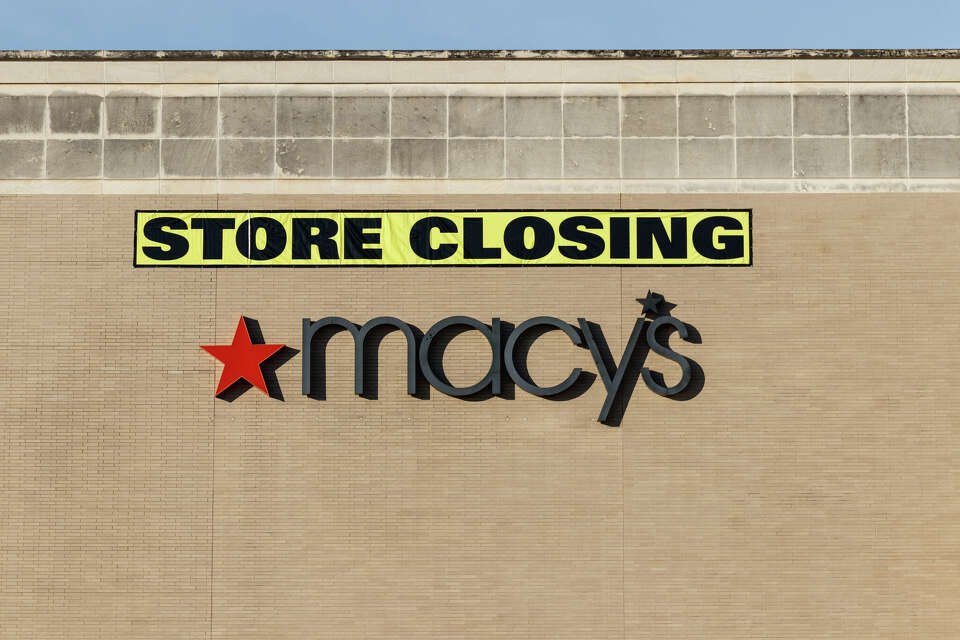
In the long term, shoppers can expect Macy’s to focus more on digital experiences, curated assortments, and fewer but stronger physical stores. Convenience may increase online, but the classic in-store browsing experience may become less common.
The Bigger Picture: American Retail in Transition
The story of macy stores closing is ultimately about more than one brand. It reflects a retail industry in transition, where adaptability determines survival. Department stores once defined American shopping, but today they must compete in a fast-moving, technology-driven marketplace.
Macy’s closures serve as a reminder that even the most iconic companies must evolve—or risk being left behind.
Conclusion
The wave of macy stores closing marks a significant moment in American retail history. While the closures bring challenges for workers and communities, they also represent an effort by Macy’s to adapt and remain relevant in a changing world. Whether this transformation will succeed remains to be seen, but one thing is clear: the retail landscape is shifting, and Macy’s is at the center of that change.