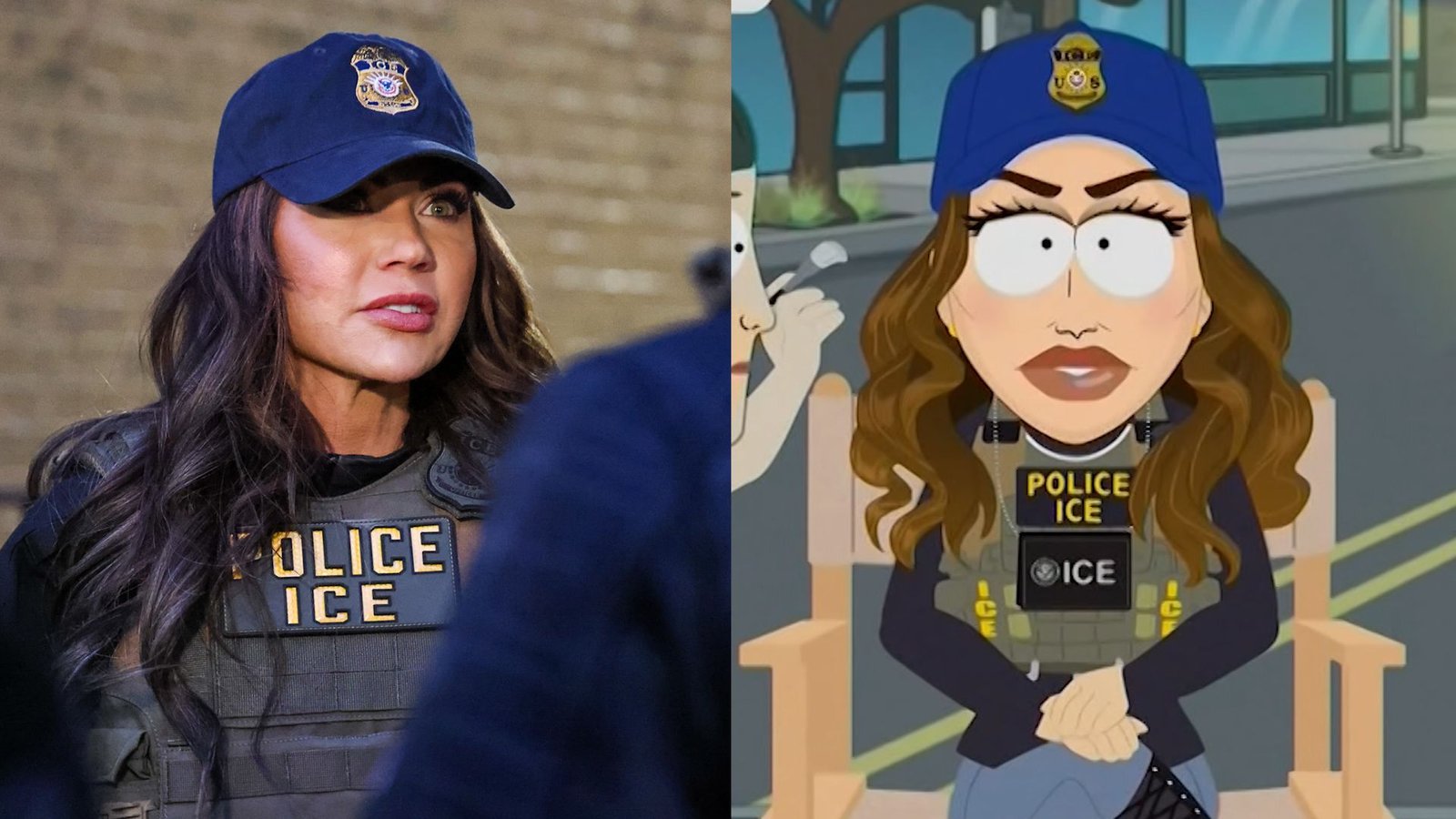
Political satire has always played a powerful role in shaping public opinion, and when the animated series South Park turns its focus on a real-life figure, the impact can be explosive. Recently, the phrase kristi noem south park began trending across social media platforms, igniting conversations about politics, free speech, pop culture, and the power of parody. But what exactly caused this buzz, and why did it resonate so strongly with audiences across the political spectrum?
This article explores the meaning behind the kristi noem south park moment, its cultural relevance, and how it reflects the changing relationship between politics and entertainment.
The Rise of Kristi Noem in American Politics
Kristi Noem, the Governor of South Dakota, has become one of the most recognizable conservative voices in American politics. Known for her outspoken views, bold political branding, and strong media presence, she often finds herself at the center of national conversations. Whether it’s her positions on federal government authority, personal freedoms, or public policy, Noem has cultivated a high-profile political identity.
That visibility makes her a prime target for satire. South Park, famous for lampooning everyone from Hollywood celebrities to world leaders, thrives on poking holes in powerful personalities. When the show references someone like Noem, it is not necessarily about that person alone—it is about what they represent in the broader political narrative.
This is where kristi noem south park enters the spotlight.
Why South Park Targets Political Figures
South Park has never been shy about stepping into controversial territory. Since its debut in 1997, the series has used shock humor, exaggeration, and dark comedy to challenge authority, question ideology, and expose hypocrisy. Political leaders are particularly appealing targets because they wield influence and often cultivate carefully crafted public images.
By satirizing someone like Kristi Noem, the show invites viewers to look past press releases and campaign slogans. The humor exaggerates real-world traits, forcing audiences to reflect on how politicians present themselves and how they are perceived by the public.
The kristi noem south park trend reflects this exact process: satire meeting reality in a way that sparks debate.
What Made the Kristi Noem South Park Moment Go Viral
Although South Park episodes frequently generate buzz, not every political reference goes viral. The reason kristi noem south park gained so much traction is because it tapped into several ongoing cultural conversations at once.
First, Kristi Noem is already a polarizing figure. Supporters see her as a bold defender of conservative values, while critics argue she uses political theatrics to gain attention. When South Park highlighted her in a satirical context, both sides felt compelled to react.
Second, social media amplifies everything. Clips, memes, and short quotes from the episode quickly spread across platforms like X, TikTok, and Reddit. Viewers who may not even watch South Park suddenly found themselves discussing kristi noem south park, turning it into a cultural talking point rather than just a TV moment.
Satire as a Mirror to Society
One of the reasons South Park remains relevant after more than two decades is its ability to reflect society’s contradictions. It does not simply make jokes for shock value; it uses humor to highlight uncomfortable truths.
In the case of kristi noem south park, the satire served as a mirror. It reflected how modern politicians use media, branding, and controversy to stay in the public eye. Whether viewers laughed, cringed, or felt offended, the moment forced people to think about how political identities are constructed.
That is the true power of satire—it invites reflection, even when wrapped in absurdity.
Public Reaction and Political Divides
Reactions to kristi noem south park were deeply divided, much like American politics itself. Some viewers praised the show for taking on a high-profile figure and using humor to question political narratives. Others felt it was unfair or overly harsh.
Supporters of Noem argued that satire often crosses the line into mockery, while critics felt it was simply holding a powerful figure accountable through humor. This clash of interpretations made the moment even more significant. It was not just about a cartoon—it was about how people feel when their beliefs are challenged.
In that sense, kristi noem south park became a symbol of the broader culture wars playing out in media today.
Why Moments Like This Matter
It may seem easy to dismiss an animated show as entertainment, but cultural moments like kristi noem south park reveal something deeper. They show how pop culture influences political discourse and how satire can reach audiences that traditional news cannot.
For younger viewers especially, shows like South Park often become an entry point into political awareness. The humor makes difficult topics more accessible, even if it also makes them controversial. That blend of laughter and critique is what keeps satire relevant in the digital age.
A Lasting Impact on Political Storytelling
Whether one agrees with the portrayal or not, the kristi noem south park moment demonstrates how political figures are no longer just covered by journalists—they are also shaped by comedians, writers, and creators. In today’s media landscape, a satirical episode can be just as influential as a news headline.
As politics and entertainment continue to merge, these moments will only become more common. They challenge viewers to question authority, examine media narratives, and, most importantly, think critically about the people who hold power.
Conclusion
The buzz around kristi noem south park was not just about a joke on a TV show. It was about the collision of politics, satire, and modern media culture. In a world where attention is currency, even a cartoon can shift the conversation.