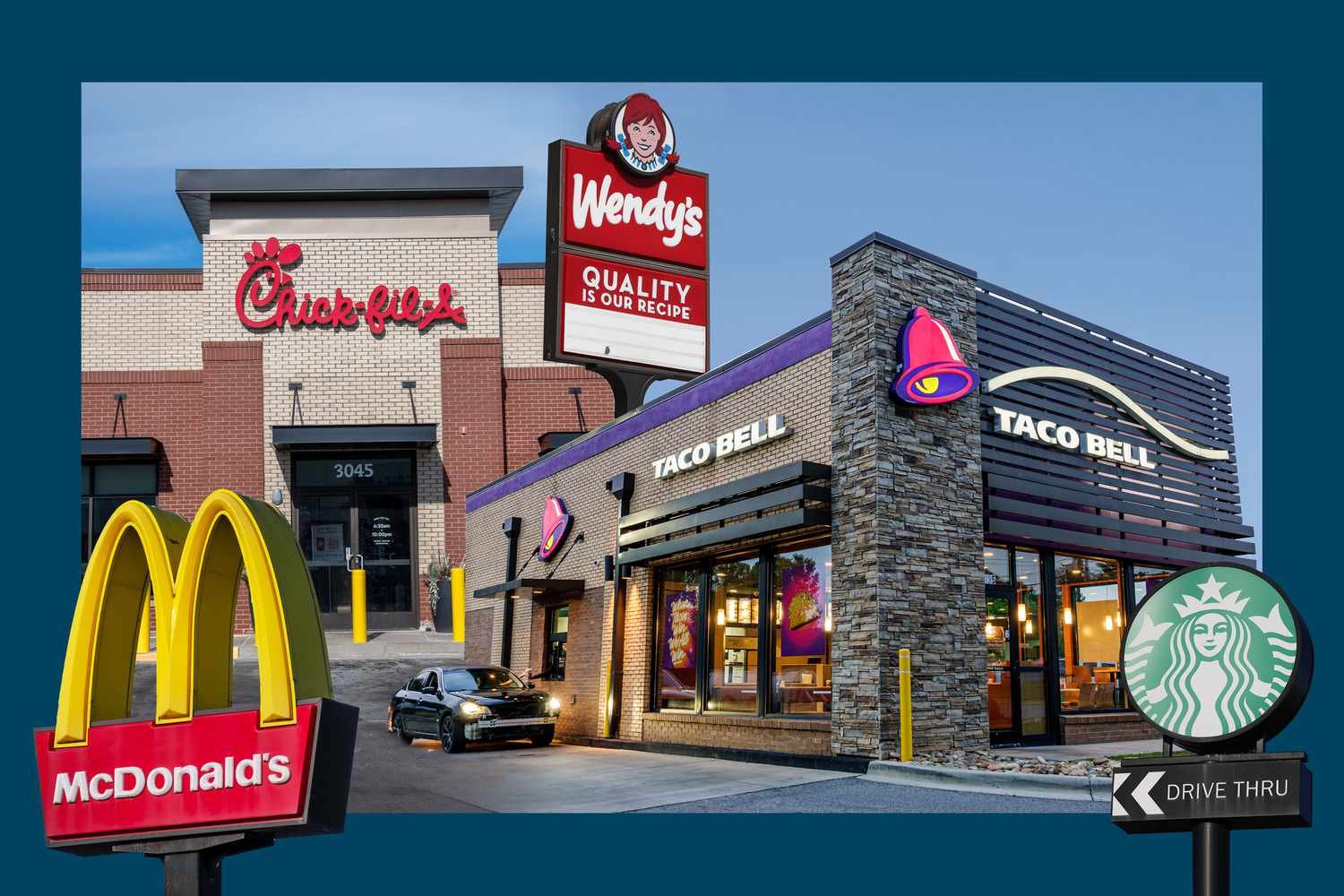
In today’s fast-moving food industry, the concept of a restaurant chain has become more than just a familiar logo or a predictable menu. It represents consistency, brand trust, innovation, and the ability to serve millions of customers across cities, countries, and cultures. From humble beginnings as single-location eateries to international dining powerhouses, restaurant chains have reshaped how people experience food.
This article explores how the modern restaurant chain evolved, why it continues to thrive, and what the future holds for this influential segment of the global food industry.
The Origins of the Restaurant Chain Model
The idea of a restaurant chain began with a simple goal: replicate success. When an individual restaurant found a winning combination of food quality, pricing, and customer service, expansion naturally followed. By opening multiple locations under the same brand, owners could scale operations while maintaining a consistent customer experience.
Early chains focused on standardized menus and processes. This allowed customers to know exactly what to expect, whether they were dining in their hometown or traveling miles away. That sense of reliability became the backbone of the restaurant chain model.
Why Restaurant Chains Continue to Dominate
One of the main reasons a restaurant chain thrives is brand recognition. Customers often choose familiar names because they associate them with quality, safety, and value. This trust reduces uncertainty and makes dining decisions easier.
Another advantage is operational efficiency. Large chains benefit from bulk purchasing, centralized marketing, and streamlined training systems. These efficiencies help control costs and keep prices competitive while maintaining consistent food quality.
In addition, a restaurant chain can invest heavily in research and development. From testing new menu items to improving kitchen technology, chains have the resources to innovate at scale—something independent restaurants often struggle to afford.
Menu Consistency vs. Local Adaptation
While consistency is key, successful restaurant chains also understand the importance of adaptation. Many global chains adjust their menus to suit local tastes, dietary preferences, and cultural norms.
For example, a chain operating in multiple countries may offer region-specific items while keeping its core menu intact. This balance allows the restaurant chain to feel both familiar and locally relevant, strengthening its connection with diverse customer bases.
Technology’s Role in the Modern Restaurant Chain
Technology has transformed how every restaurant chain operates. Digital ordering, mobile apps, self-service kiosks, and delivery platforms have become standard features rather than optional extras.
Data analytics now help chains understand customer behavior, optimize menus, and personalize promotions. Loyalty programs powered by apps allow a restaurant chain to build long-term relationships with customers while collecting valuable insights into dining habits.
Behind the scenes, automation and AI-driven inventory systems reduce waste and improve efficiency, making large-scale operations more sustainable and profitable.
Challenges Facing Today’s Restaurant Chains
Despite their advantages, every restaurant chain faces challenges. Rising food costs, labor shortages, and increased competition from independent eateries and food delivery services put pressure on profit margins.
Consumer expectations are also changing. Today’s diners care more about sustainability, ingredient sourcing, and transparency. A restaurant chain that fails to address environmental concerns or changing dietary trends risks losing relevance.

Public perception is another hurdle. Chains must work harder to avoid being seen as impersonal or overly corporate. Many now focus on storytelling, community involvement, and improved in-store experiences to humanize their brands.
Sustainability and Social Responsibility
Modern restaurant chains are increasingly prioritizing sustainability. From reducing plastic packaging to sourcing ingredients responsibly, chains are under pressure to demonstrate ethical practices.
Some chains are investing in plant-based menu options, energy-efficient kitchens, and food donation programs. These efforts not only benefit the environment but also strengthen brand loyalty among socially conscious consumers.
A forward-thinking restaurant chain understands that long-term success depends on balancing profit with responsibility.
The Future of the Restaurant Chain Industry
The future of the restaurant chain lies in flexibility and innovation. Hybrid models combining dine-in, takeout, drive-thru, and delivery will continue to grow. Ghost kitchens and smaller-format locations are becoming popular as chains adapt to urban lifestyles and rising real estate costs.
Personalization will also play a major role. Using data to tailor menus, promotions, and experiences will help each restaurant chain stand out in a crowded market.
Most importantly, the chains that succeed will be those that listen—listening to customer feedback, cultural shifts, and global trends while staying true to their core identity.
Conclusion
The restaurant chain is no longer just a collection of identical locations serving the same food. It is a dynamic, evolving business model that blends consistency with creativity, scale with personalization, and tradition with technology.
As consumer tastes change and competition intensifies, the most successful restaurant chains will be those that adapt without losing what made them popular in the first place. From a single kitchen to a global presence, the journey of a restaurant chain is a powerful story of growth, resilience, and reinvention.