A Historic Journey Comes Full Circle
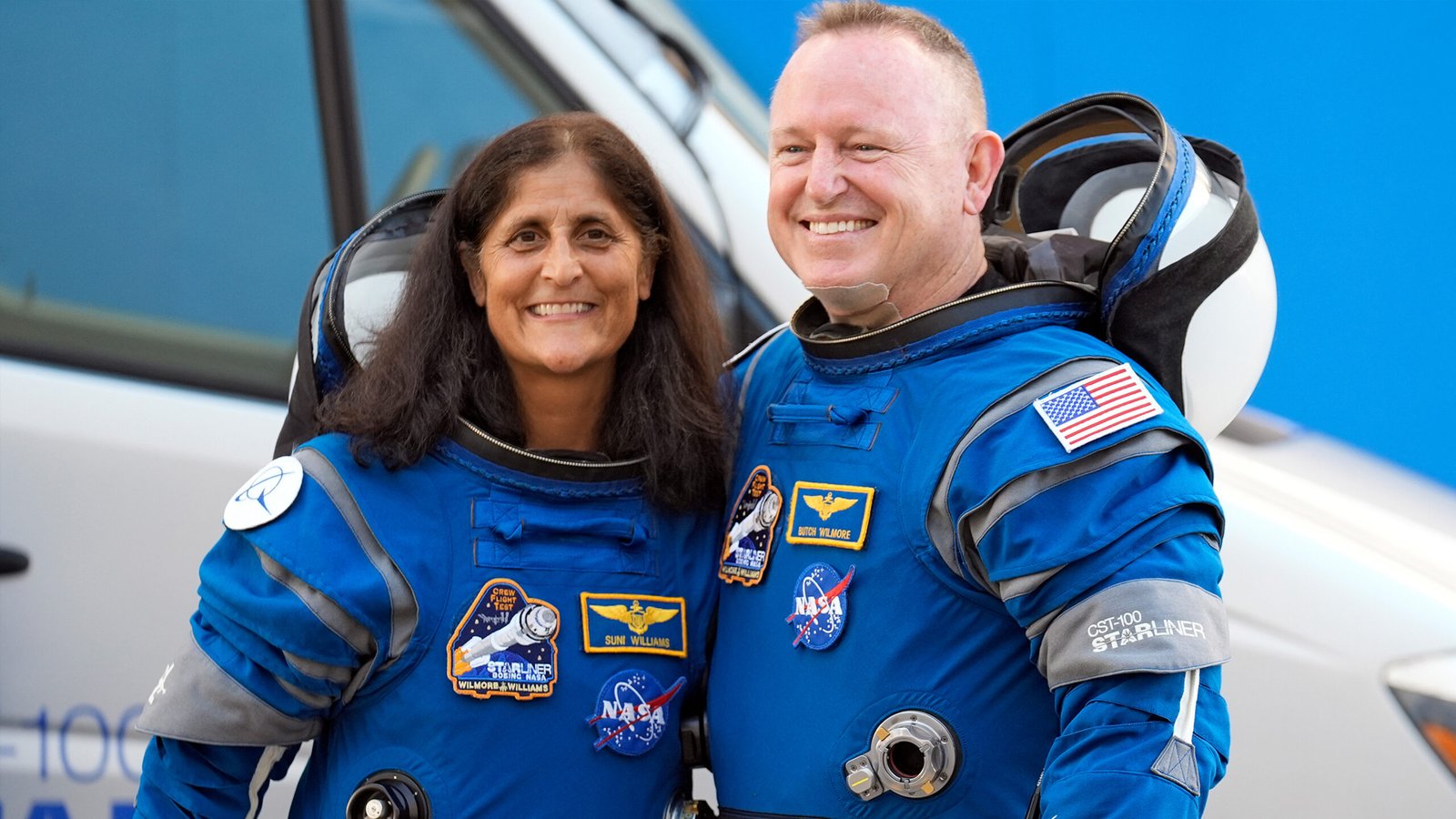
After months orbiting Earth at breathtaking speeds, the moment every space mission builds toward has finally arrived: homecoming. The NASA astronauts return SpaceX Dragon mission marked another major milestone in modern spaceflight, showcasing how far human space exploration has advanced in just a few short years. With precision engineering, international cooperation, and human resilience at its core, this return was not just an ending—but a powerful new beginning.
As the capsule splashed down safely, it symbolized the success of a partnership that has redefined how astronauts travel to and from space.
The Mission That Pushed Boundaries
The astronauts who made this journey spent several months aboard the International Space Station (ISS), contributing to groundbreaking scientific research and daily operations. During their time in orbit, they conducted experiments that could influence future space missions, medical treatments on Earth, and even long-term plans for human travel to the Moon and Mars.
From studying the effects of microgravity on the human body to testing new technologies, their work was demanding and continuous. The fact that the NASA astronauts return SpaceX Dragon mission went smoothly is a testament to careful planning and rigorous training on the ground.
SpaceX Dragon: A New Era of Space Travel
SpaceX’s Dragon capsule has become a cornerstone of modern crewed spaceflight. Designed with reusability, safety, and automation in mind, Dragon represents a shift away from older spacecraft models that required heavy government infrastructure.
One of Dragon’s standout features is its autonomous capability. While astronauts are fully trained to take control if necessary, most of the return process—from undocking to reentry—is managed by onboard systems. This blend of human oversight and advanced automation played a critical role as the NASA astronauts return SpaceX Dragon mission unfolded flawlessly.
The Dramatic Return to Earth
The return journey began with a smooth undocking from the ISS, a moment watched live by millions around the world. As the capsule drifted away, it performed a series of carefully timed burns to place it on a trajectory back to Earth.
Reentry is one of the most dangerous phases of any space mission. Temperatures outside the capsule can soar to thousands of degrees as it slices through Earth’s atmosphere. Protected by a state-of-the-art heat shield, the Dragon capsule slowed down before deploying parachutes that guided it gently toward the ocean.
When the capsule finally splashed down, recovery teams moved quickly to secure it and assist the crew. Smiles, waves, and visible relief marked the successful conclusion of the NASA astronauts return SpaceX Dragon mission.
Why This Return Matters
Each successful return strengthens confidence in commercial crew programs. For decades, NASA relied on government-built spacecraft. Today, partnerships with private companies like SpaceX are changing the economics and accessibility of space.
The success of missions like this one proves that commercial spacecraft can safely transport astronauts, reduce costs, and increase launch frequency. This approach allows NASA to focus more resources on deep-space exploration while still maintaining a strong presence in low Earth orbit.
In simple terms, when NASA astronauts return SpaceX Dragon missions succeed, they help pave the way for humanity’s next giant leaps.
Impact on Future Space Exploration
The implications of this mission extend far beyond Earth orbit. Reliable crewed spacecraft are essential for upcoming lunar missions under NASA’s Artemis program and eventual missions to Mars. The technologies tested during Dragon missions—including life-support systems, navigation, and reusability—will inform spacecraft design for decades to come.
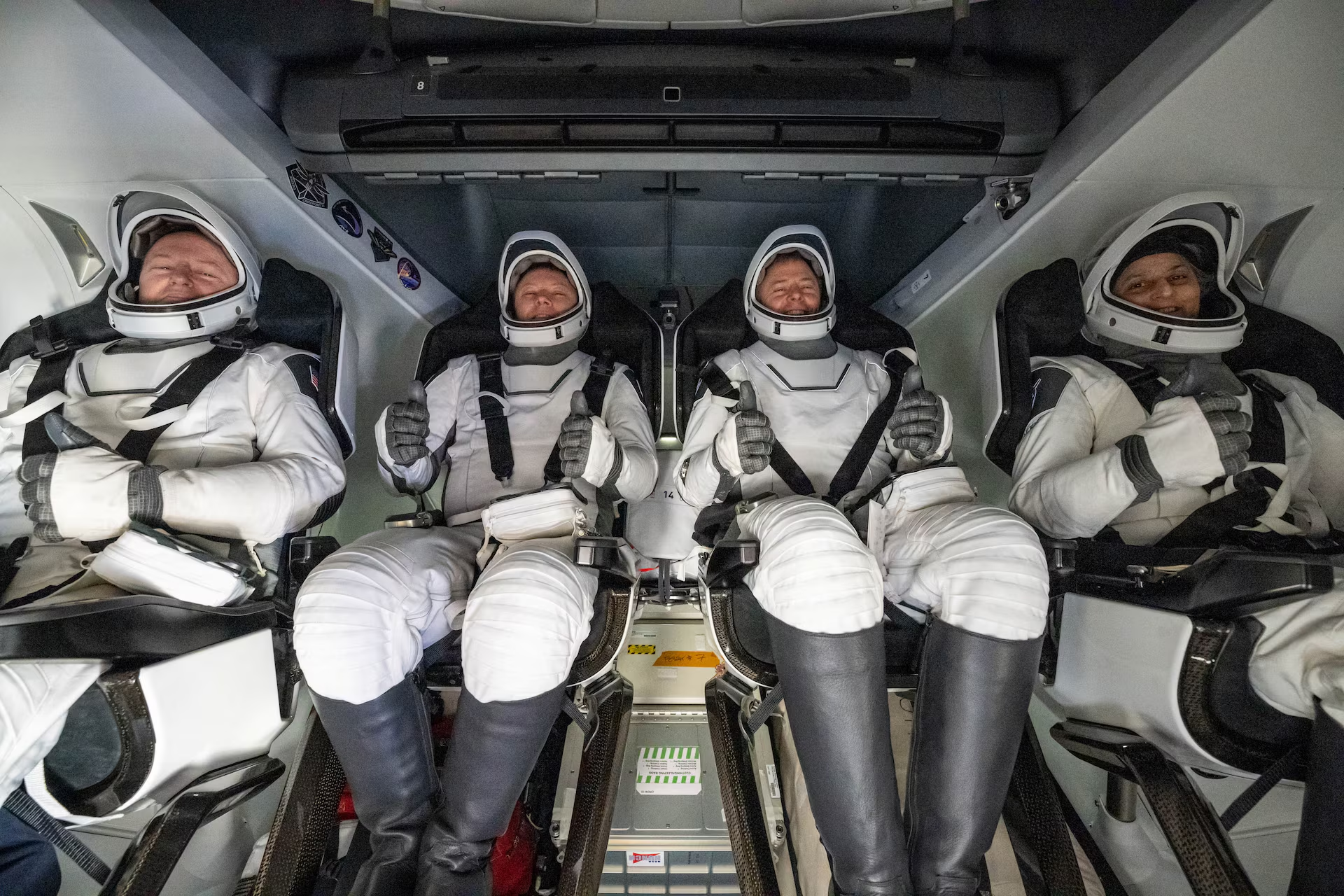
Moreover, frequent astronaut rotations aboard the ISS ensure that scientific research continues uninterrupted. Each safe return ensures that astronauts can share their findings, recover physically, and prepare for future missions.
A Human Story of Courage and Collaboration
Behind the technology and headlines lies a deeply human story. Astronauts spend months away from their families, adapting to a harsh environment that challenges both body and mind. Their return is emotional—not just for them, but for loved ones and colleagues who support them from Earth.
The NASA astronauts return SpaceX Dragon mission highlights what is possible when human determination meets cutting-edge innovation. It is a reminder that space exploration is not just about machines—it’s about people pushing the limits of what humanity can achieve together.
Looking Ahead
As recovery operations conclude and the astronauts begin their post-mission rehabilitation, attention already turns to what’s next. More missions, more research, and more historic returns are on the horizon.
With each successful flight, the vision of a future where space travel is safer, more routine, and more ambitious becomes clearer. The story of how NASA astronauts return SpaceX Dragon missions succeed is, ultimately, the story of humanity learning how to live and work beyond Earth—and safely find its way home again.