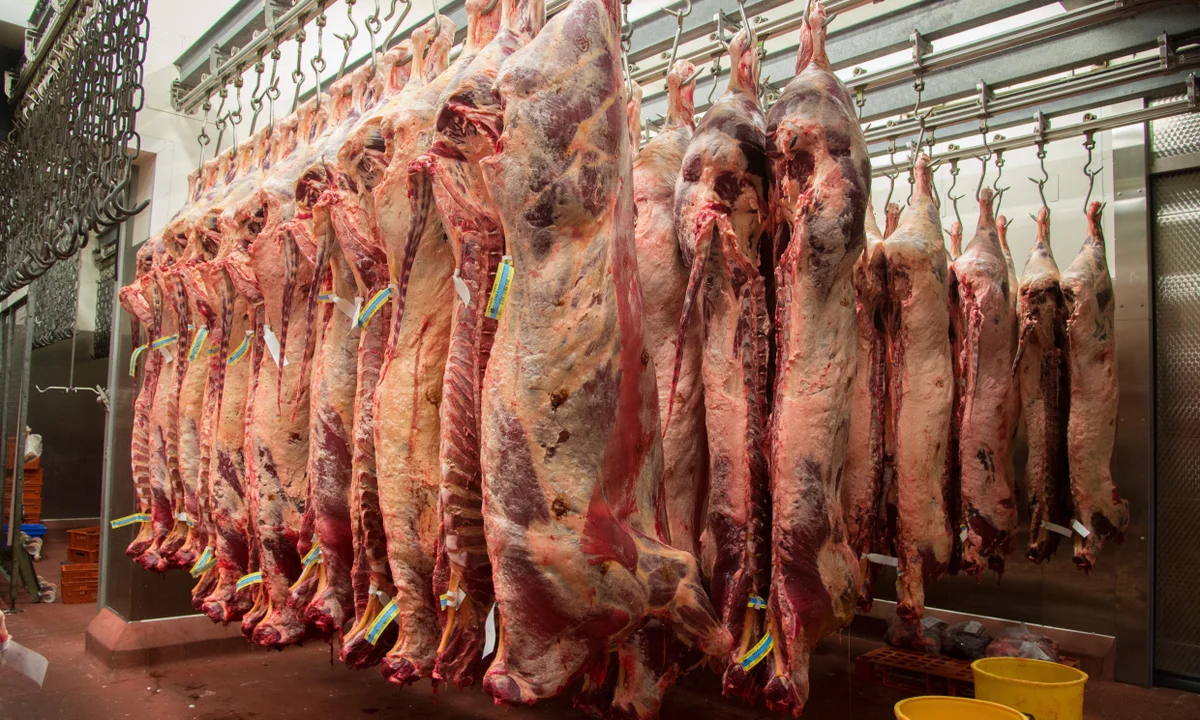
When people hear the word “abattoir,” it often sparks curiosity or confusion. The term may sound technical or unfamiliar, yet abattoirs play a critical role in the global food system. To fully understand their importance, it helps to break down what is an abattoir, how it operates, and why it exists in modern society. This article explains the concept in clear, human-style language while offering a deeper look at its purpose, processes, and ethical considerations.
What Is an Abattoir? A Simple Definition
To begin with, what is an abattoir? An abattoir is a facility where animals are slaughtered for food production. It is also commonly referred to as a slaughterhouse. These facilities are designed to process livestock—such as cattle, sheep, goats, pigs, and poultry—under controlled, regulated conditions to produce meat that is safe for human consumption.
Unlike informal or backyard slaughtering, abattoirs follow strict hygiene, safety, and animal welfare standards. Their main goal is to ensure that meat entering the food supply chain is clean, inspected, and suitable for consumption.
The Origin and Meaning of the Word “Abattoir”
The word “abattoir” comes from the French verb abattre, which means “to strike down.” Historically, the term was adopted to describe centralized places where animals were slaughtered, replacing scattered and often unsanitary slaughter practices in towns and villages.
Today, while “slaughterhouse” is more commonly used in everyday language, “abattoir” is still widely used in formal, agricultural, and industrial contexts, particularly in Europe, Australia, and parts of Asia.
How an Abattoir Works
Understanding what is an abattoir also means understanding how it operates. While processes may vary depending on the type and size of the facility, most abattoirs follow a similar sequence of steps:
1. Animal Arrival and Inspection
Animals are transported to the abattoir and kept in holding areas. Veterinarians or trained inspectors check them for signs of disease or injury. Only healthy animals are approved for processing.
2. Humane Stunning
Before slaughter, animals are stunned to render them unconscious. This step is crucial for animal welfare and is required by law in many countries. Stunning methods are designed to minimize pain and distress.
3. Slaughter and Bleeding
Once stunned, the animal is slaughtered, and blood is drained from the body. This process is necessary for meat quality and safety.
4. Dressing and Processing
The carcass is skinned, cleaned, and divided into sections. Internal organs are removed and inspected separately to ensure they are fit for consumption.
5. Final Inspection and Distribution
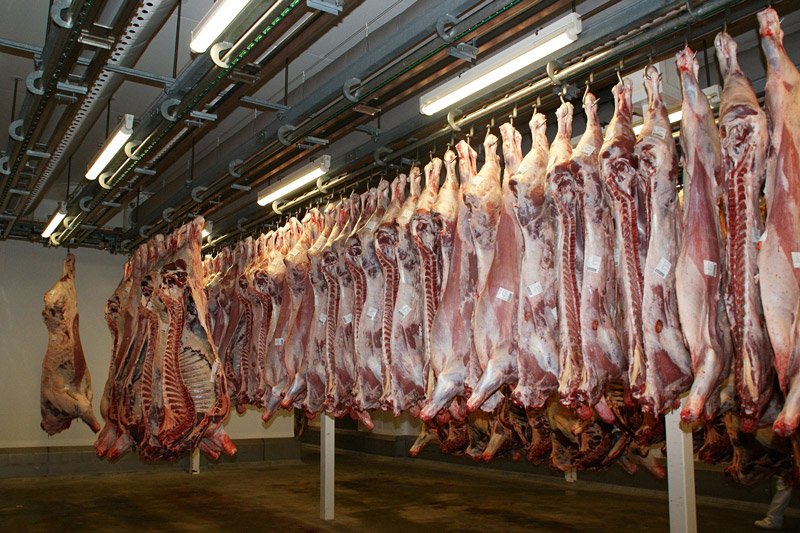
Meat undergoes a final inspection before being approved for sale. It is then refrigerated, packaged, and transported to markets, butcher shops, or food processing plants.
Why Abattoirs Are Important
Abattoirs are a vital link in the food supply chain. Without them, it would be difficult to meet the meat demands of growing populations in a safe and organized manner. Here’s why they matter:
-
Food Safety: Centralized slaughter ensures proper sanitation and disease control.
-
Public Health: Regular inspections reduce the risk of contaminated meat entering the market.
-
Efficiency: Abattoirs allow large-scale meat processing to meet commercial demand.
-
Traceability: Animals can be tracked from farm to consumer, improving accountability.
In short, understanding what is an abattoir helps explain how modern societies manage meat production responsibly.
Animal Welfare and Ethical Considerations
One of the most discussed aspects of abattoirs is animal welfare. Modern abattoirs are required to follow laws and guidelines that prioritize humane treatment. These include proper handling, suitable housing before slaughter, and approved stunning methods.
Despite regulations, ethical debates continue. Animal rights advocates question the morality of slaughtering animals for food, while others emphasize the need for humane practices rather than elimination of meat consumption altogether. As a result, many abattoirs now invest in improved technologies, staff training, and transparency to address public concerns.
Abattoirs vs. Traditional Slaughter Practices
Before regulated abattoirs became common, animals were often slaughtered in open markets or private spaces. These practices posed serious health risks due to poor sanitation and lack of inspection.
Compared to traditional methods, abattoirs offer:
-
Cleaner environments
-
Professional oversight
-
Reduced risk of disease spread
-
Better waste management
This shift highlights why learning what is an abattoir is essential for understanding advancements in food safety and public health.
Environmental Impact of Abattoirs
Abattoirs also have environmental responsibilities. Waste products such as blood, bones, and wastewater must be managed carefully to avoid pollution. Many modern facilities use rendering plants, water treatment systems, and recycling processes to reduce their environmental footprint.
While meat production has undeniable environmental impacts, regulated abattoirs help control and minimize damage compared to unregulated slaughtering.
Conclusion: Why Understanding Abattoirs Matters
So, what is an abattoir? It is far more than just a place where animals are slaughtered. An abattoir is a carefully regulated facility that plays a central role in food safety, public health, animal welfare, and economic stability.
By understanding how abattoirs function and why they exist, consumers can make more informed choices about where their food comes from. Whether viewed through the lens of agriculture, ethics, or sustainability, abattoirs remain an essential—and often misunderstood—part of the modern world.